The Financial-Geopolitical Complex: When Balance Sheets Become Battlefields
byMoney, markets, and financial infrastructure have become powerful instruments of geopolitics. They subdue the world without firing a shot.
Money, markets, and financial infrastructure have become powerful instruments of geopolitics. They subdue the world without firing a shot.
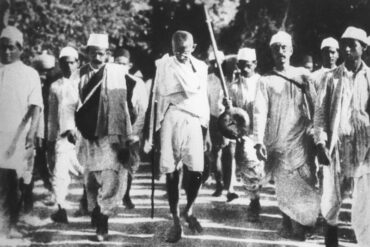
Freedom is yet to come — yet to come.
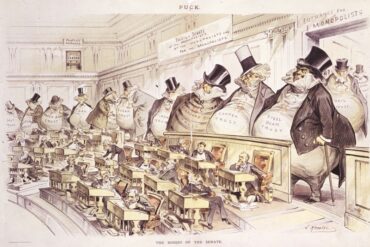
Under the guise of innovation, crony capitalism has spread its tentacles and influencing all aspects of public life.

The rapid proliferation of AI is eliminating the need to think. Therefore, it is essential to protect the right to think by declaring it as a fundamental human right.
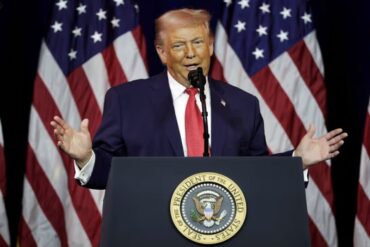
How long can America endure a world that has learned not to trust it.
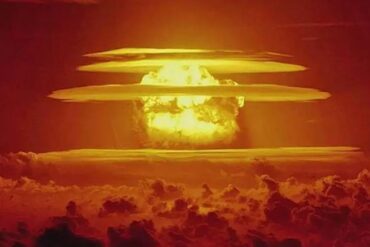
North Korea may serve as an example of how a weak state can secure great-power support to complete a nuclear programme.
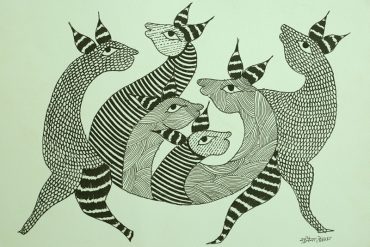
For years, the international art world acknowledged South Asia while keeping it at the periphery. It is now becoming much harder to tell the story of global modernism without placing the region near its centre.
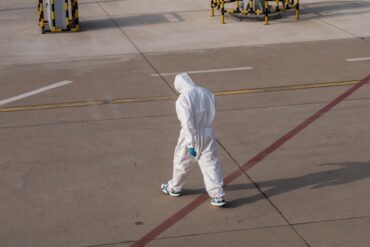
New viruses are discovered every year, but only a tiny fraction threaten humanity. The challenge is identifying the dangerous few before they spread.
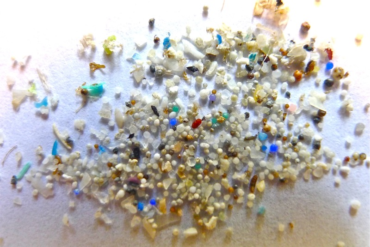
Plastic pollution has extended beyond landscapes and oceans into the human body. Understanding what that means may prove to be one of the defining scientific questions of the coming decade.
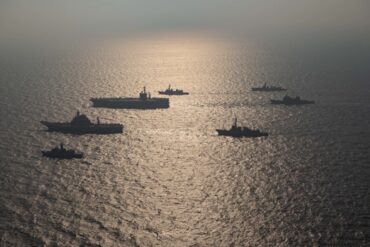
The Quad is often portrayed as the crowning glory of US-India strategic partnership. It is also its most glaring vulnerability.
The architecture of subjugation was built by human decisions. What humans have built, humans can change.

Climate change is redrawing the map of global agriculture. Here’s how.
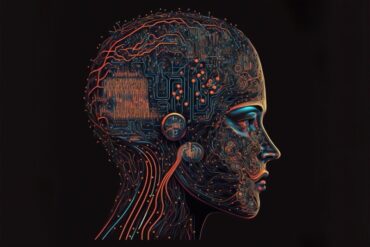
The future of artificial intelligence will depend not only on what these systems can do but on how societies choose to govern them.
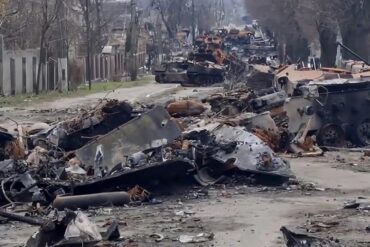
The humiliations of the past continue to shape today’s geopolitics, hardening grievances into conflict.
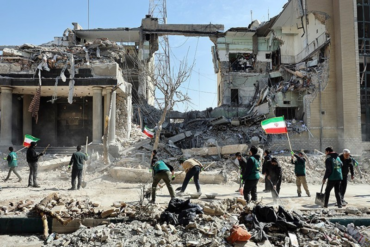
Peace in the Middle East will not emerge from grand declarations or social-media bravado. It will come through negotiations between governments that distrust one another.