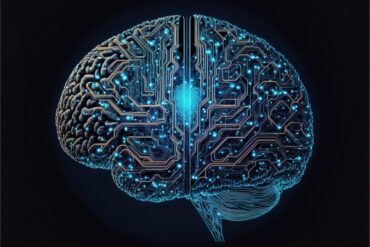
Optogenetics: From Mapping Neurons To Controlling Them
byAdvances in imaging, electrical recording and optogenetics are giving scientists new ways to understand and influence brain activity.

Advances in imaging, electrical recording and optogenetics are giving scientists new ways to understand and influence brain activity.
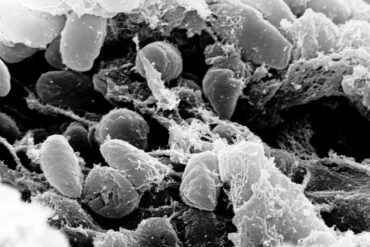
After a Russian lab worker’s death, possibly due to Plague, nearly 200 people are quarantined. Here’s what you need to know.

From orangutans to Komodo dragons, Indonesia’s extraordinary wildlife reveals the vulnerability of a changing natural world.
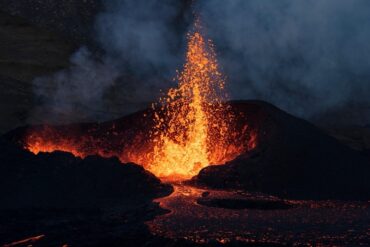
A diplomat’s travels among volcanoes reveal enduring lessons about uncertainty, resilience, beauty, destruction and the unpredictability of nature.

El Niño is natural, but the vulnerability it exposes is increasingly man-made.
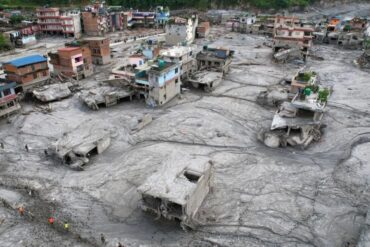
Nepal’s deadly flood shows why warming mountain landscapes demand better warnings, monitoring and preparedness.
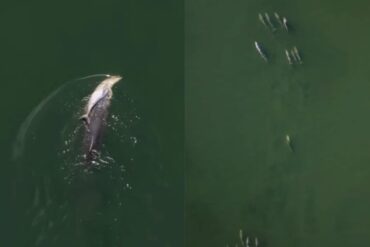
Fraggle carried her dead calf through the water for eleven days. Whatever that was like for her, it was like something. That fact does not require our understanding to be true.
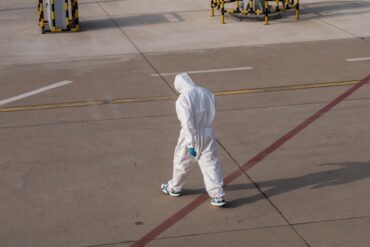
New viruses are discovered every year, but only a tiny fraction threaten humanity. The challenge is identifying the dangerous few before they spread.
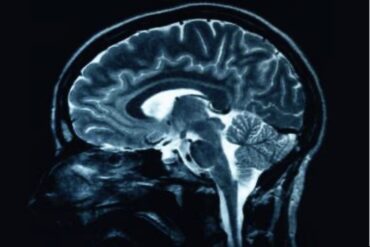
Latest research suggests that asthma-like immune responses activate a subset of T cells, making it less favourable for brain cancer to develop.
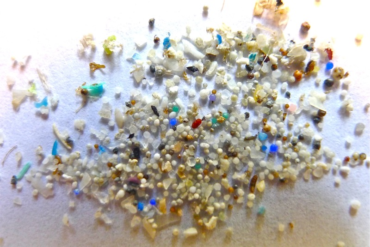
Plastic pollution has extended beyond landscapes and oceans into the human body. Understanding what that means may prove to be one of the defining scientific questions of the coming decade.

India’s ambition to become a global AI hub need not come at the expense of water security.

The rise of electric SUVs reveals why cleaner vehicles alone cannot deliver sustainable transport.

Climate change is redrawing the map of global agriculture. Here’s how.

As urban areas confront a hotter future, successful adaptation will depend less on planting as much vegetation as possible and more on designing landscapes that respond intelligently to local climate, airflow and human needs.
The retirement of the world’s most extreme emissions scenario reflects changes in technology and policy—not a collapse in climate science.