Medical science occasionally uncovers relationships that appear counterintuitive. One of the more intriguing is the long-observed association between allergic and inflammatory diseases, such as asthma, and a lower risk of certain brain tumours.
At first glance, the finding seems paradoxical. Asthma is a chronic disease that affects hundreds of millions of people worldwide and can significantly impair quality of life. Brain tumours, by contrast, are comparatively rare but often devastating. The idea that one illness might offer protection against another is hardly an appealing trade-off. But understanding why such a relationship exists could eventually lead to new treatments that harness the immune system without reproducing asthma’s harmful effects.
For more than a decade, epidemiological studies have hinted that people with allergic conditions, including asthma, appear less likely to develop certain forms of glioma, a group of tumours that arise from the brain’s supporting glial cells. Although the association has been repeatedly reported, researchers have struggled to explain its underlying biological mechanism. Correlation, after all, does not necessarily imply causation.
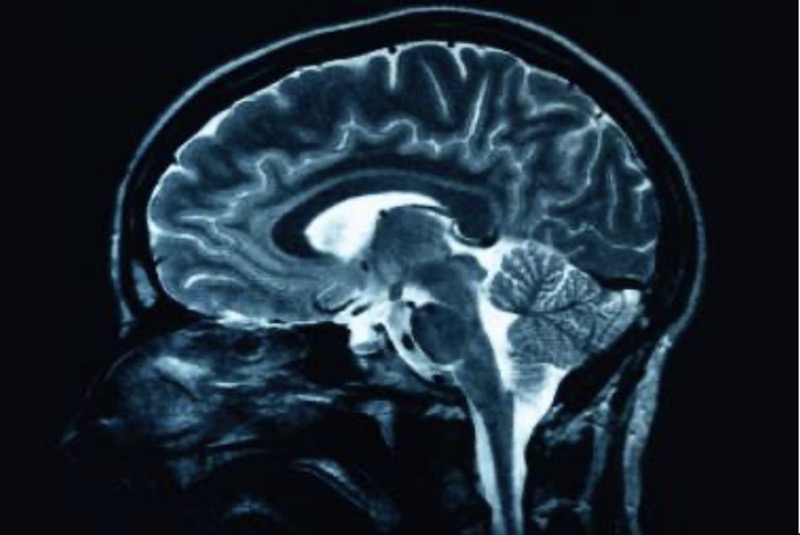
Recent research has begun to fill that gap. Scientists studying optic pathway glioma—a rare type of brain tumour that develops along the optic nerve and is often associated with the genetic condition neurofibromatosis type 1 (NF1)—have identified a potential role for immune cells known as T cells. Their findings, largely based on experiments in mice, suggest that immune responses associated with asthma may alter the behaviour of these cells in ways that suppress tumour formation.
T cells are a central component of the adaptive immune system. During childhood, they learn to recognise viruses, bacteria and other foreign invaders, creating a long-lasting immunological memory. Throughout adulthood they continue to patrol the body, eliminating infected cells while also helping detect and destroy cells that show early signs of becoming cancerous. Their role, however, extends well beyond defence against infection. T cells also regulate inflammation, repair damaged tissue and maintain the body’s delicate immunological balance.
The latest research suggests that, in mouse models predisposed to optic pathway glioma, asthma-like immune responses activate a subset of T cells that migrate to the brain. Once there, they release signalling molecules that alter the tumour’s surrounding environment, making it less favourable for cancer to develop. Rather than attacking tumour cells directly, these immune cells appear to reshape the conditions that allow tumours to grow.
This finding offers a plausible biological explanation for observations made in human population studies over many years. It does not, however, mean that asthma protects people from brain tumours in general. Brain cancers encompass dozens of distinct diseases with different causes and biological characteristics. The recent work focuses on a single tumour type in experimental models, and it remains unclear whether similar mechanisms operate in other forms of glioma or in adults without inherited genetic risk factors.
Nor does the research suggest that asthma is somehow beneficial overall—quite the opposite. Asthma remains one of the world’s most common chronic respiratory diseases, affecting hundreds of millions of people. Severe attacks can be life-threatening, while poorly controlled asthma places a considerable burden on healthcare systems and reduces quality of life. Any protective effect against a rare brain tumour would not outweigh the everyday risks posed by chronic airway inflammation.
Indeed, the same immune activity that may help suppress tumour formation also drives asthma. Inflammatory T cells release molecules that contribute to airway swelling, mucus production and bronchial constriction. The challenge for researchers is therefore not to reproduce asthma, but to isolate the aspects of the immune response that appear to inhibit tumour growth while avoiding the harmful inflammation that damages the lungs.
One molecule attracting particular attention is decorin, a protein involved in regulating the extracellular matrix—the network of proteins surrounding cells—and modulating immune signalling. The recent study suggests that decorin may play an important part in the immune interactions linking asthma and tumour suppression. Researchers are now investigating whether modifying T cells to alter their production of decorin might preserve their anti-tumour properties without provoking inflammation in the lungs.
Such work remains highly experimental. There is no therapy based on this mechanism, nor is there evidence that manipulating decorin alone would prevent or treat brain tumours in people. Modern immunotherapy has transformed the treatment of several cancers, but brain tumours remain among the most difficult malignancies to target because of the brain’s specialised immune environment and the protective blood-brain barrier.
The findings nevertheless fit into a broader shift in cancer research. Increasingly, scientists recognise that tumours are shaped not only by genetic mutations within cancer cells but also by the immune cells, blood vessels and connective tissues surrounding them. This so-called tumour microenvironment can either encourage or suppress cancer growth. Understanding how inflammatory diseases alter that environment may reveal therapeutic opportunities extending well beyond asthma.
The research also sheds light on observations made years earlier. Previous studies had reported that children genetically predisposed to optic pathway glioma often displayed unusual immune responses and appeared less likely to develop asthma than expected. Those findings hinted at an interaction between the immune system and tumour biology but stopped short of identifying a mechanism. The latest experiments provide a coherent explanation, although many questions remain unanswered.
Importantly, optic pathway glioma itself is an uncommon disease. It accounts for only a small proportion of childhood brain tumours and is frequently associated with NF1. Although survival rates are generally favourable compared with many other brain cancers, the tumour can still cause significant visual impairment and other neurological complications. Whether similar immune mechanisms apply to more aggressive tumours, such as glioblastoma, is unknown.
Researchers also caution against assuming that the findings can be applied to children and adults in the same way. The immune system changes substantially throughout life. Children’s T cells are still developing their repertoire of immune memory, whereas adult T cells perform a broader range of surveillance and regulatory functions. These developmental differences may influence how immune cells respond to tumours and whether the mechanisms observed in adults are equally relevant in younger patients.
Asthma itself is influenced by far more than genetics or immune signalling. Environmental factors—including air pollution, tobacco smoke, damp housing, occupational exposures and airborne allergens—play an important role in determining who develops the disease and how severe it becomes. Asthma is also common in disadvantaged communities, where environmental hazards and limited access to healthcare often combine to worsen outcomes. These factors affect the disease independently of the biological pathways currently being investigated in laboratory studies.
The discovery that asthma-related immune responses may interfere with the development of certain brain tumours therefore represents neither a cure for cancer nor a justification for viewing asthma as protective. Instead, it illustrates how apparently harmful biological processes can reveal unexpected therapeutic possibilities. Medicine has repeatedly advanced by understanding diseases rather than celebrating them. Vaccines emerged from studying infection; immunotherapy emerged from deciphering immune regulation. The same may ultimately prove true here.
For now, the most important conclusion is one of cautious optimism. Scientists have identified a promising biological pathway linking inflammation, T cells and tumour suppression in an experimental setting. Whether that pathway can be translated into safe and effective therapies will require years of additional research, rigorous clinical testing and a deeper understanding of the remarkable complexity of the immune system. If successful, the ultimate goal would not be to imitate asthma, but to borrow its most useful immunological trick while leaving the disease itself behind.
-30-
Copyright©Madras Courier, All Rights Reserved. You may share using our article tools. Please don't cut articles from madrascourier.com and redistribute by email, post to the web, mobile phone or social media.Please send in your feed back and comments to editor@madrascourier.com