
Same, Same But Different
bySocial media offers endless ways to express ourselves. Increasingly, however, we express ourselves in much the same way.
Social media offers endless ways to express ourselves. Increasingly, however, we express ourselves in much the same way.

William Makepeace Thackeray’s work is a satirical reflection of British India and the English class system.

From ancient observations to modern vaccines, rabies reveals how knowledge can save lives—if prevention reaches everyone.

Svenska Ostindiska Kompanie, an obscure Swedish venture challenged English commercial power, exposing the fragile foundations beneath a seemingly unstoppable empire.

AI bots are changing how people experience love and relationships. Whether that is healthy is an entirely different question.

Ninety years ago, Dhyan Chand led India to Olympic hockey glory in Berlin, eleven years before independence.
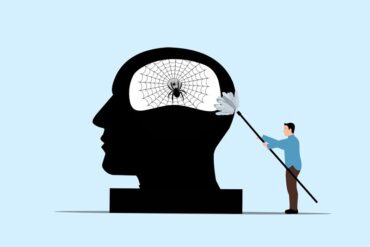
Memory does not forget the past. It edits and adapts to the present. Read this fascinating essay.
History shows reserve currencies endure for centuries, but none remains dominant (not even the dollar) once economic power begins shifting.

As technology continues to reshape the ways people connect, language will continue to evolve alongside it, reflecting not only how society communicates but also how it understands itself.
Gold is no longer a hedge against inflation alone; it has become a hedge against geopolitics.

Behind St Mary’s walls lies the forgotten story of commerce, conflict and the uncertain birth of British India.

‘Delulu,’ ‘freak matching,’ ‘orbiting,’ ‘ghosting,’ — the list of new words to communicate a state of confusion in love is astounding. It tells a deeper evolution of love and vocabulary.

A Pokémon card can be held, traded, graded, photographed, streamed, battled with, or remembered. It is simultaneously a toy, a commodity, an artwork, and a social currency.

Pistols and watches, objects once considered evidence of crime, help tell the story of revolutionary acts against colonialism.
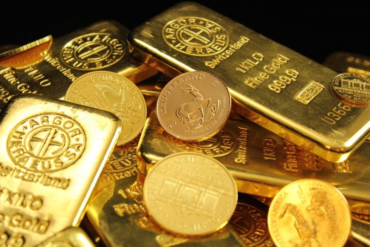
Gold and silver have endured as money for millennia, hedging inflation, anchoring empires, and shaping India’s financial imagination.