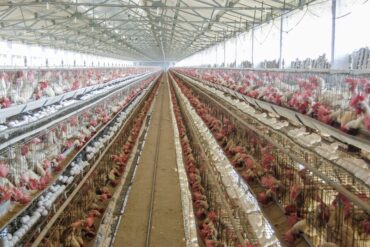
The Antibiotic Gap In India’s Food-Safety Regime
byIndia’s animal-food industry is booming, but weak antibiotic controls threaten consumers, farmers, exports and public health.
India’s animal-food industry is booming, but weak antibiotic controls threaten consumers, farmers, exports and public health.

The recent bond market turbulence reveals whose future gets financed, and on whose terms.
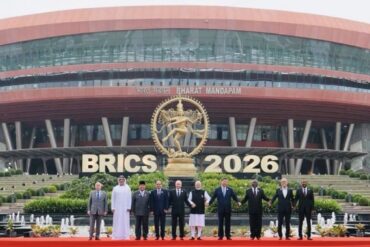
BRICS, an acronym describing economic potential, has become a diplomatic experiment in managing disagreement.

The AfD’s sweeping victory exposes deepening discontent and puts Chancellor Friedrich Merz under unprecedented political pressure.

A small groups of people who own data centres are profiting from colonising the planet and consuming vast amounts of natural resources, while passing on gigantic losses to investors and communities.

When words such as accessibility, inclusion and disability rights entered India’s public discourse, they changed not only policy but also public expectations.

Seven months on, the Iran war exposes moral compromise, diplomatic folly, economic costs and consequences nobody anticipated.
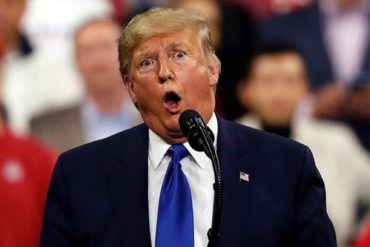
Donald Trump’s unpredictability is pushing India to trust America less. But for now, despite repeated humiliation, Modi is sticking with the United States.

No man is an island, or so goes the saying. Can we live in solitude forever?
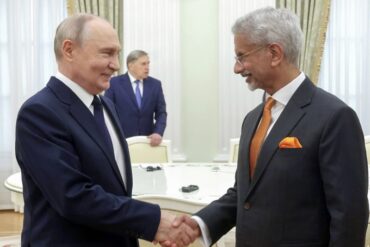
Why does India deepen ties with Russia while strengthening partnerships with Washington and the West?

Western superheroes influence our thinking, shape our world views, and act as instruments of cultural imperialism.
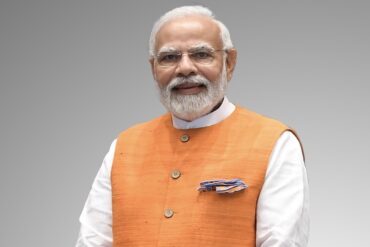
In this attention economy, Modi, Trump and Netanyahu made themselves into brands—concentrating credit, outsourcing blame and making institutions increasingly vulnerable.
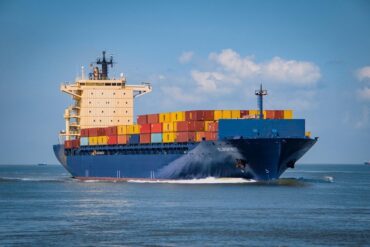
Washington says it is enforcing the rules of global trade. But as tariffs, Russian-oil sanctions and allegations of Chinese transshipment converge, the bigger question is whether those rules are being applied consistently—or rewritten to serve American interests.
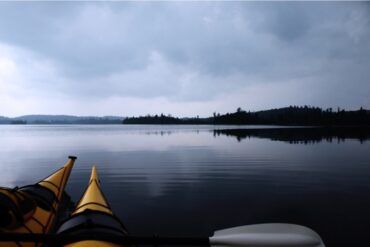
Where Indigenous wisdom, pristine wilderness and Indian tradition converge on a remote Canadian island of remarkable tranquillity.
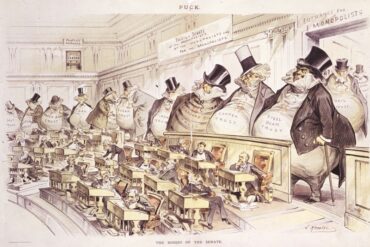
Under the guise of innovation, crony capitalism has spread its tentacles and influencing all aspects of public life.