
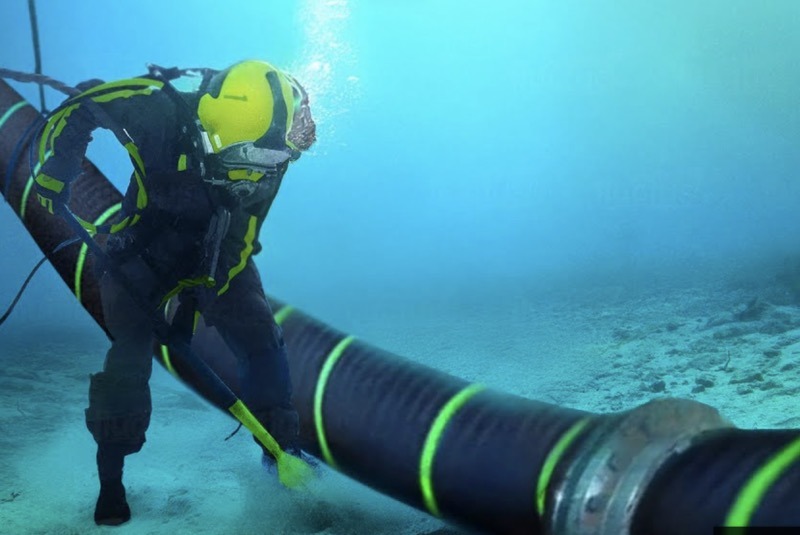
Submarine fibre-optic cables are the least visible components of India’s critical infrastructure. However, they are among the most consequential. They carry the majority of international data traffic, connecting India’s financial markets, cloud platforms, data centres, businesses and government networks to the global economy. Unlike satellites, submarine cables provide enormous capacity at relatively low cost and with low latency. They are, therefore, the foundations of India’s digital economy.
Recent instability around the Gulf and the Strait of Hormuz has renewed attention on the vulnerability of subsea infrastructure. The immediate question is whether disruption anywhere along the maritime routes connecting the Indian Ocean with the Middle East and Europe could expose weaknesses in India’s own network. The answer does not depend on the number of cables India possesses. Instead, it depends on where they run, where they land, how much capacity exists on alternative routes, and how quickly damaged systems can be repaired.
Copyright©Madras Courier, All Rights Reserved. You may share using our article tools. Please don't cut articles from madrascourier.com and redistribute by email, post to the web, mobile phone or social media.Please send in your feed back and comments to editor@madrascourier.com