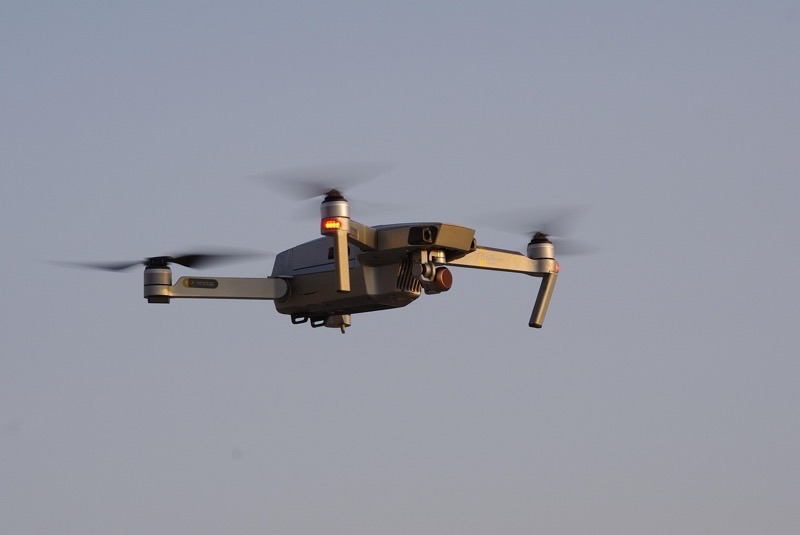
The rise of First-Person-View (FPV) drones has transformed modern warfare, offering distinct advantages that alter how conflicts are fought. These small, inexpensive, and highly versatile devices are capable of striking targets deep behind enemy lines, often with devastating effect. Their key strengths lie in their low cost, ease of deployment, and the element of surprise they provide.
FPV drones, which are controlled in real-time through video feeds, are often difficult to detect due to their small size and low signatures. This makes them ideal for covert operations, allowing smaller, less equipped forces to challenge more powerful adversaries.
The cost of a single FPV drone is relatively low, often comparable to a consumer smartphone. Yet, the potential to damage assets worth millions—such as military aircraft, infrastructure, or high-value targets—makes these drones an asymmetric threat.
Copyright©Madras Courier, All Rights Reserved. You may share using our article tools. Please don't cut articles from madrascourier.com and redistribute by email, post to the web, mobile phone or social media.Please send in your feed back and comments to [email protected]