Urban Flooding: A Catastrophic Crisis

Floods_India_Madras_Courier
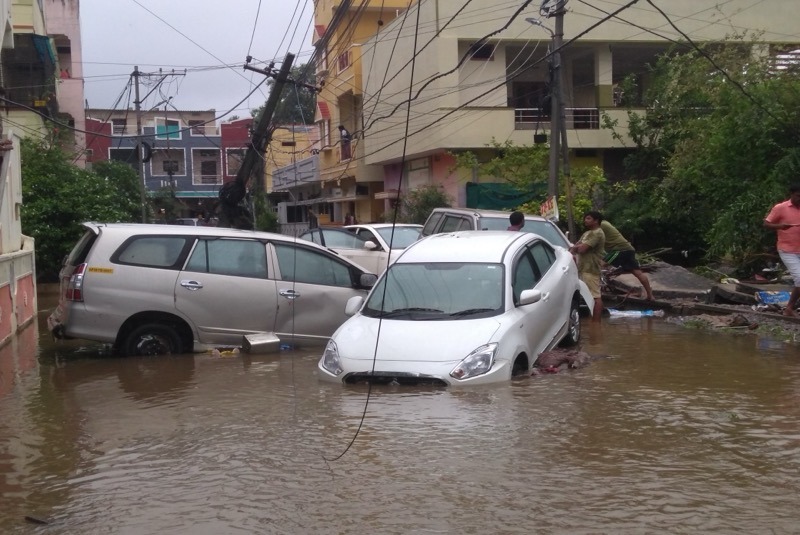
Representational image: Public domain/Wikimedia.
Severe flooding reveals that India is struggling with climate change and inadequate urban infrastructure.

In the monsoon of 2025, Indian cities, already grappling with rapid urbanisation and climate change, were caught in the throes of devastating flooding. While cities like Mumbai, Chennai, and Kolkata have long been susceptible to monsoonal floods, this year’s events were more than seasonal disruptions; they were a stark reminder of the growing vulnerabilities created by unchecked growth and environmental neglect.

Over the past few decades, urban centres across the country have been expanding at a pace that outstrips their infrastructure development. As a result, flooding, once seen as a predictable, seasonal inconvenience, has become an increasingly erratic and frequent disaster, manifesting in new, unexpected places.

There are many root causes of flooding in Indian cities, but one of the most pressing issues lies in the poor drainage systems. As cities have grown, natural systems that would have otherwise absorbed and channelled rainwater — rivers, lakes, or wetlands— have been encroached upon.

In Bengaluru, once known for its serene lakes, water bodies have been filled in or allowed to deteriorate, depriving the city of its natural flood buffers. As a result, heavy rains overwhelmed the drainage systems that had been built for a much smaller, less crowded city. “The city’s drainage systems were never built to handle the volume of rain that fell this year,” explained urban planner R. S. Murthy, underscoring the broader failure of infrastructure to keep pace with the rapid urban sprawl.

Mumbai, India’s financial powerhouse, faced its own grim reality as torrential rains overwhelmed the city’s infrastructure. Despite years of efforts to improve drainage and flood prevention measures, 2025 saw the city’s systems buckle under the weight of an unusually intense monsoon.

Coastal cities like Mumbai have long been vulnerable to rising sea levels, but the encroachment into low-lying areas—especially informal settlements built on reclaimed land—has compounded the problem. This was particularly evident in the slum neighbourhoods, where the lack of basic infrastructure exposed residents to the floods, their homes submerged in floodwaters that stretched over streets and into markets, businesses, and schools.

Similarly, Kolkata, with its position on the deltaic plains, suffered as the relentless rains coincided with high tides. The city’s poorly maintained drainage systems failed, leading to widespread waterlogging. As Kolkata’s streets became rivers, the informal settlements in the city’s lowest parts bore the brunt of the disaster.

However, these floods are not just the result of heavy rain, but a far more complex issue, deeply intertwined with the accelerating impact of climate change. India’s vulnerability to extreme weather events, such as floods and cyclones, is one of the most severe in the world.

As global temperatures rise, India’s monsoon patterns have become more volatile, with rainfall volumes increasing in many parts of the country. According to the Intergovernmental Panel on Climate Change (IPCC), climate change is driving both the intensity and frequency of these extreme weather events.

In 2025, the monsoon rains in many parts of India were 30 per cent higher than usual, intensifying flooding in vulnerable regions. Rising sea levels, particularly along the country’s coastlines, further exacerbate the situation. What we are witnessing in 2025 is a culmination of these trends: a perfect storm of climate change, poor planning, and outdated infrastructure converging to create a crisis.

Yet, climate change is not the sole driver of these urban floods. The economic and social costs of flooding are profound, particularly for the urban poor. In many Indian cities, the poor are relegated to living in low-lying areas, often near rivers or on land prone to flooding.

These populations are disproportionately affected by extreme weather events, and the floods of 2025 were no exception. Thousands of families in cities like Bengaluru, Mumbai, and Kolkata lost their homes and livelihoods. In many cases, the floods washed away years of hard work and investment.

“Flooding disrupts the functioning of entire industries, from IT hubs like Bengaluru to manufacturing zones in Tamil Nadu,” said economic analyst Arvind Prakash, highlighting the broader economic repercussions. It is not just the immediate physical damage but also the long-term disruption to local economies and businesses that leaves a lasting impact.

With vital supply chains broken and industries in ruins, the road to recovery for these cities will be long and uncertain. The scale of the disaster has brought to light the inadequacies of urban planning in India. For too long, cities have been allowed to grow without regard for the environment or the natural systems that help regulate water flow.

A key issue is the lack of sufficient investment in flood management infrastructure. In the face of mounting pressure, the Government of India has begun to acknowledge the need for reform, with state governments rolling out plans for flood mitigation and urban resilience. However, these plans often come too little, too late, and face the challenges of poor implementation and inconsistent political will.

Dr. Neha Agarwal, a climatologist at the Indian Institute of Meteorology, emphasised the need for cities to adapt to the new reality of more frequent and severe flooding. “This is a warning sign,” she said. “India’s cities must adapt to the reality of more frequent and severe flooding if they want to protect their populations and economies.”

Short-term solutions to flooding might include improving drainage infrastructure, restoring damaged wetlands, and maintaining natural water bodies that once served as flood buffers. However, these measures alone will not be enough to cope with the growing crisis. Experts agree that a long-term, systemic approach is required.

Many urban planners advocate for cities integrating green infrastructure into their development plans, such as green roofs, permeable pavements, and decentralised stormwater management systems. This would allow cities to absorb water naturally rather than trying to divert it through ageing and overburdened infrastructure. At the same time, restoring lost wetlands and increasing urban green spaces can help mitigate flood risks while offering additional environmental benefits, such as improved air quality and biodiversity.

The 2025 floods have made it clear that the challenges faced by Indian cities are not only about managing floods but about rethinking the very nature of urban development. Cities must be reimagined as places built in harmony with nature, rather than at odds with it.

“Flood mitigation is not just about building more infrastructure; it’s about making our cities more sustainable, resilient, and livable,” said urban policy expert Dr. Shilpa Mehra. The time to act is now, before the rising waters of climate change swamp the country’s urban future. Without urgent reform, cities like Bengaluru, Mumbai, and Kolkata will continue to be at the mercy of nature’s increasingly violent storms.

The story of urban flooding in India must be told not just as an environmental issue but as a societal crisis. It is a warning about the perils of ignoring the impacts of climate change and the consequences of reckless urbanisation. As floods become more frequent and devastating, India’s cities must urgently reconsider their growth models, investing in resilient infrastructure and sustainable development. If the lessons of 2025 are not learned, the future will bring even greater suffering and loss.

-30-

Copyright©Madras Courier, All Rights Reserved. You may share using our article tools. Please don't cut articles from madrascourier.com and redistribute by email, post to the web, mobile phone or social media.
Please send in your feed back and comments to [email protected]

0 replies on “Urban Flooding: A Catastrophic Crisis”