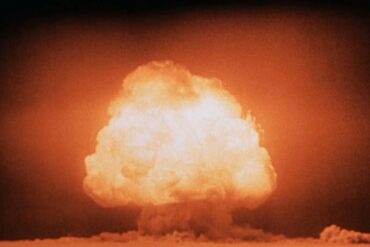
Civilisation’s Greatest Achievement: Catastrophe At Scale
byThis sharp analysis of the Manhattan Project explores how technological progress continues to outpace human morality—from nuclear weapons to the digital age.
This sharp analysis of the Manhattan Project explores how technological progress continues to outpace human morality—from nuclear weapons to the digital age.
New Delhi is walking a tightrope, trying not to alienate old friends Iran or antagonise recent strategic partners.
Counterinsurgency is less a contest of annihilation than of persuasion.
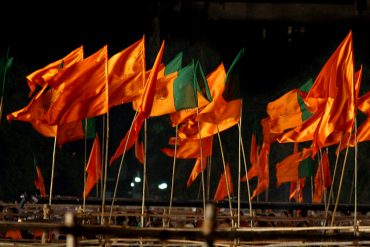
India is going through a churn. Constitutional values are breaking down. Democracy is under strain.
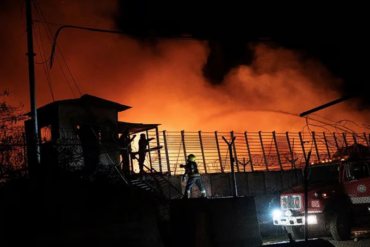
Afghanistan has defeated larger powers before—not through superior firepower, but by exhausting occupiers who underestimated the country’s internal complexity.
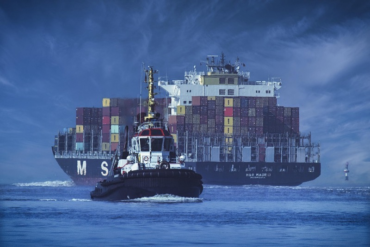
The conflict in the Gulf is creating unexpected winners in the global oil market.
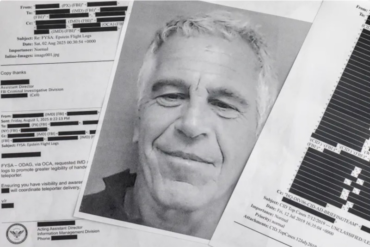
By launching this illegal war on Iran, together with Israel, Donald Trump has redirected public anger over the Epstein files.
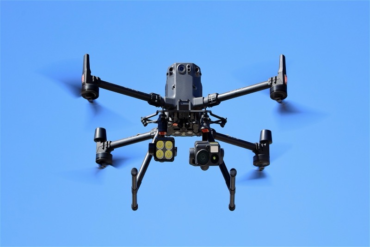
When decisions move at machine speed, ethical considerations struggle to keep pace. Human oversight becomes a formality.
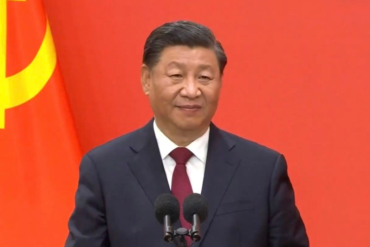
While missiles fall in the Middle East, the long game of geopolitics continues to benefit China.

Profiles, filters, and digital applause have created a new psychological distance between who we are and who appears on the surface.
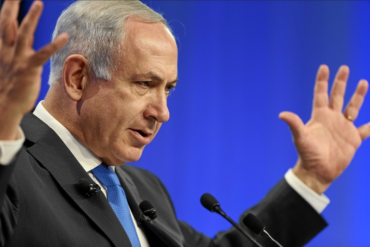
The normalisation of the rhetoric of extermination is not confined to one country, ideology, or faith. Leaders are calling for entire populations to be eliminated.
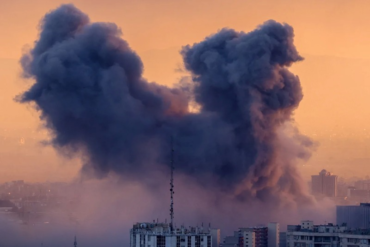
America’s illegal war on Iran has shattered deterrence and reshaped West Asia’s fragile strategic order.
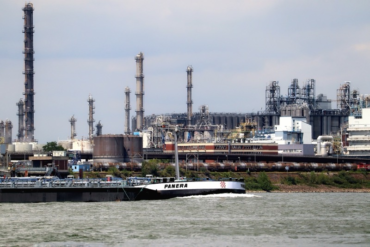
Power exercised through permission must reconcile dominance with consent. If it cannot, the quiet energy war will end not in defeat, but in a slow and silent exit of the system itself.
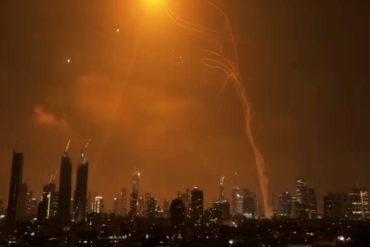
Trump and Netanyahu’s war on Iran is an unwise folly, a momentous miscalculation which could have been resolved through diplomacy.
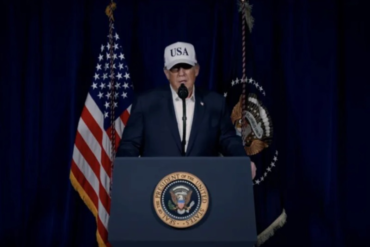
It is clear that the United States is being run by a bunch of reckless cowboys and blood thirsty war criminals.