The Media
byA talkative beast, pointing fingers at the others & damaging reputations. Is that what the Media has become?
A talkative beast, pointing fingers at the others & damaging reputations. Is that what the Media has become?
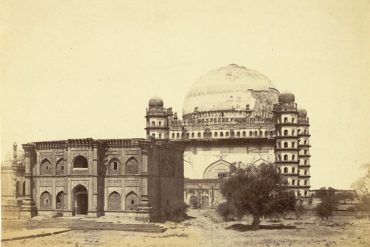
The art & architecture of Bijapur, a sleepy town in North Karnataka, tell the tale of India’s syncretic traditions.
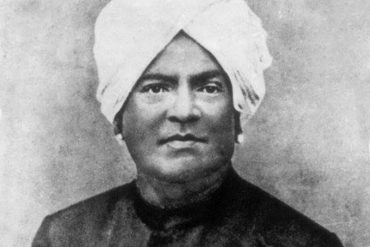
Kathavarayan, known as Iyothee Thass, is one of the foremost thinkers & activists who fought for a caste-free society.
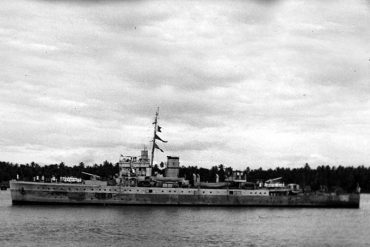
The Royal Indian Navy mutiny in 1946 was the final chapter in India’s willing complicity in the Empire.
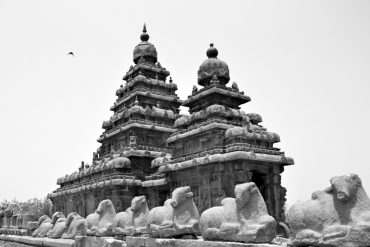
Marco Polo first mentioned the Shore temple in 1290. Modern archaeologists are yet to decipher its secrets.
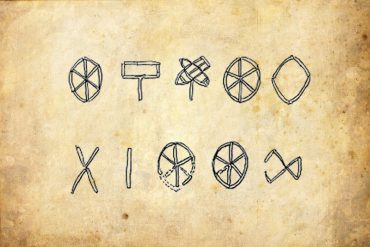
Some of the world’s best minds – human and robot – are at work, trying to decipher the Indus Valley code.
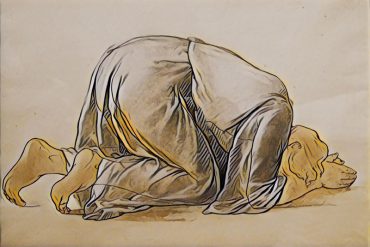
Mohammad Hasan’s scathing lamentation questions the duplicity of the world we inhabit. It’s caustic, mordant & stark.
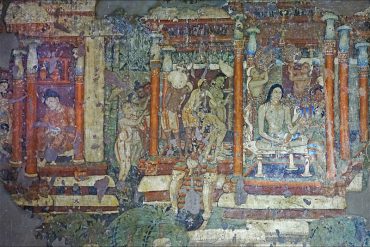
The murals in Ajanta caves represent the birth of the finest & oldest artistic traditions in India.
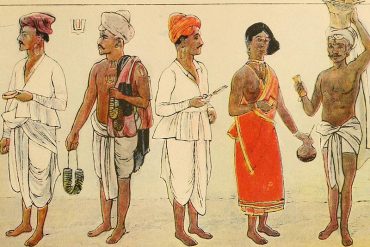
The Dhoti is both a fashion statement and a political symbol that stood the test of time.
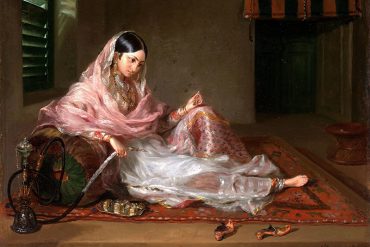
Muslin, the finest, ancient fabric mentioned years ago in the time of Ptolemy, has yet to see its story weaved for good.
Taking the phrase ‘Winding Stair’ from W.B. Yeats’ poem, Supriya Kaur Dhaliwal gives wings to her words through verse.
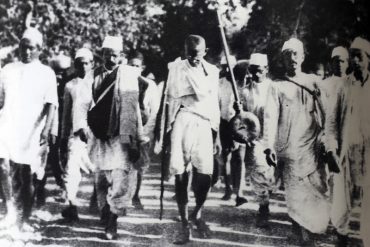
The Khilafat movement was one of the largest in the world & was able to unite people of all religions.

If you like Breaking Bad & Deadpool, you will love Bhāsa’s play-Svapnavāsavadattam, the oldest romantic novel of India.
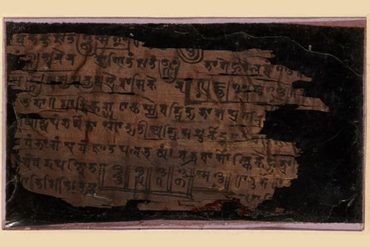
Wrapped in 70 sheets of birch-bark, the Bakshali manuscript is mostly concerned with mathematics.
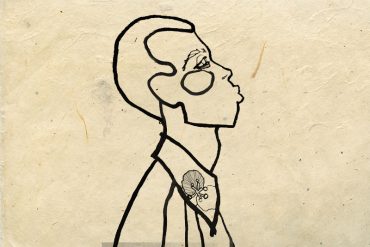
Are your decisions a sum total of the meaning you ascribe to them? Are some decisions ‘right’ and others ‘wrong’?