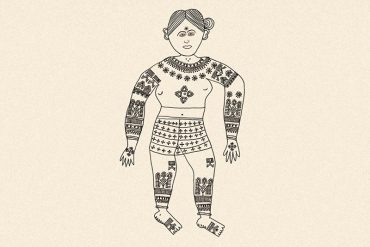
The Many Associations of the Godna Tattoo
byThe Godna tattoo, once associated with serial killers & wayfarers, is now a millennial fashion statement.
The Godna tattoo, once associated with serial killers & wayfarers, is now a millennial fashion statement.
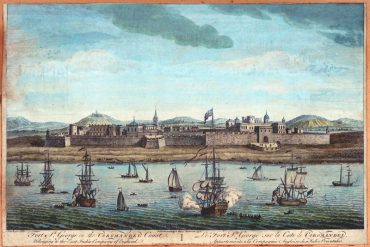
The history of Chennai dates back to an out-of-the-way fort set up by the East India Company.
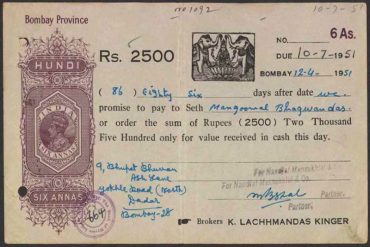
Indian merchants from the Sindh & Hyderabad built global businesses using the Hundi, an indigenous system of payments.

An idea pitched in the Madras Parliament in the 1830’s, the Madras Rail, evolved into the world’s third-largest rail system.
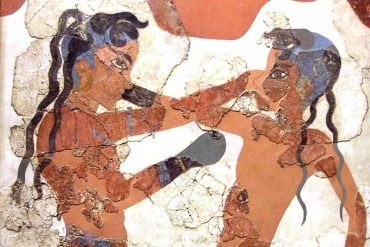
From Cleopatra to Bob Marley, dreadlocks have been a powerful fashion statement.
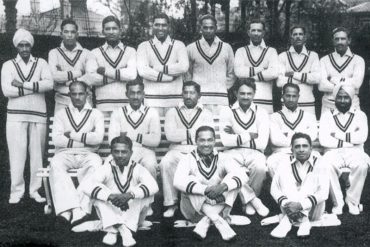
From the Oriental Cricket Club in Bombay to religion and caste-based cricket clubs, Indian cricket has come a long way.
Why is Tea called tea in some cultures and Chai in others? Can history reveal the global links to the etymology of tea?
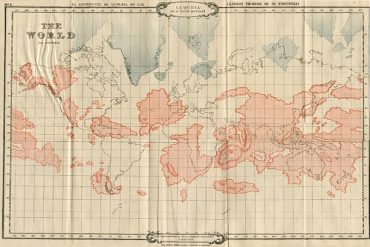
Its believed that an ancient landmass, the mythical ‘virgin’ continent, sunk under the ocean. Could this be validated?
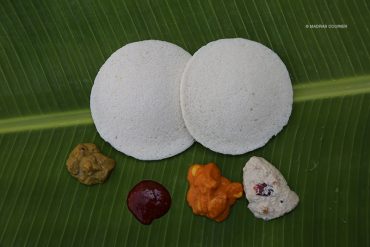
According to a food historian, KT Achaya, the origins of the Idli could be traced back to Indonesia. Could this be true?

PR gurus marketed breakfast as the ‘most important meal of the day’ to sell food products, changing the way we eat.
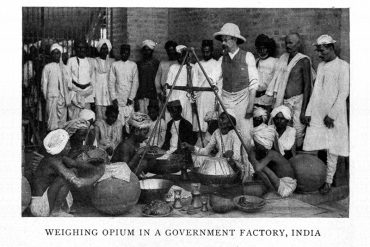
With a historic role as the world’s opium supplier, India is one of the two countries the USA gets most of its opium from.
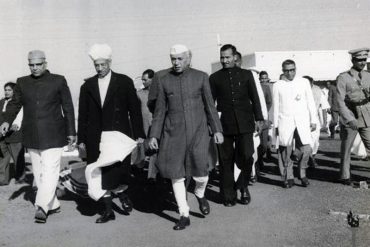
The Sherwani, India’s much loved male garment, evolved from the British buttoned frock coat – not from the Mughal attire.
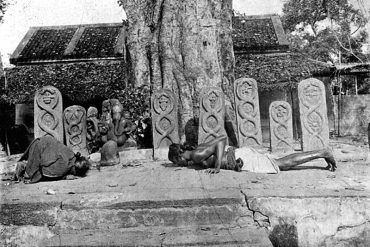
Could the history of a tribal snake-worshiping community shed light on the historicity of Indian myths and legends?
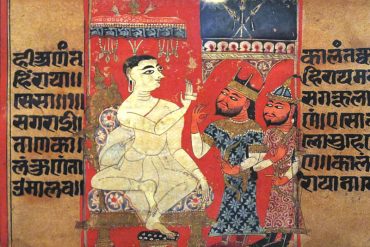
Ancient Jain manuscripts, rediscovered by the Europeans, show Jainism’s enormous contributions to mathematics and art.
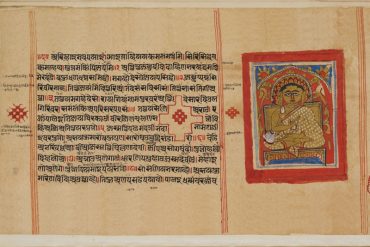
Prakrit and Pali, languages that were spoken during the time of the Buddha, leave a legacy that is priceless.