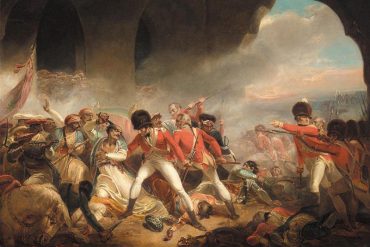
How A Topi Lead To The Vellore Mutiny
byThe first mutiny of the Indian sepoys at the fort of Vellore offers valuable lessons for decision makers.

The first mutiny of the Indian sepoys at the fort of Vellore offers valuable lessons for decision makers.
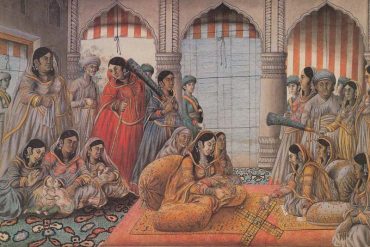
Pachisi AKA Ludo, an ancient Indian game which Akbar was addicted to, is now a strategy game taught at business schools.
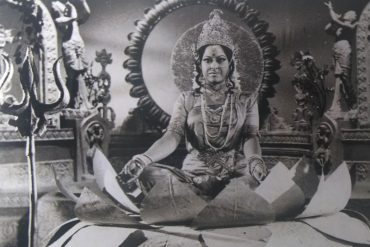
Jai Santoshi Maa, a Hindi film produced in 1975, went on to become a box office success & created the cult of a goddess.

Hetal Dave, a Gujarati girl from a conservative family, is making waves internationally as a Sumo wrestling champion.
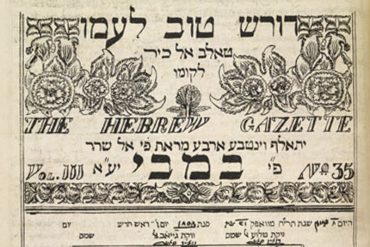
What can India’s first Hebrew newspaper, started by a Baghdadi Jew from Bombay, tell us about journalistic integrity?

A temple in Secunderabad tells the story of how a 19th-century Cholera epidemic ensconced a Hindu festival.
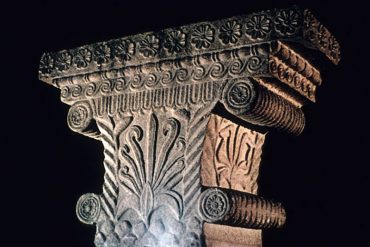
The ancient Mauryan edicts of emperor Ashoka present a synergy of Persian and Greek ideas & symbolise a global world.

Legends and myths surround rare celestial phenomena like the solar and the lunar eclipse. Why should we care about them?

The Lotus temple, built in the name of a small but inclusive faith, is a testimony to India’s syncretic tradition.
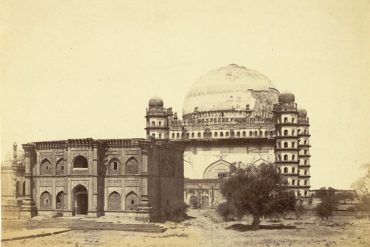
The art & architecture of Bijapur, a sleepy town in North Karnataka, tell the tale of India’s syncretic traditions.

The Royal Indian Navy mutiny in 1946 was the final chapter in India’s willing complicity in the Empire.
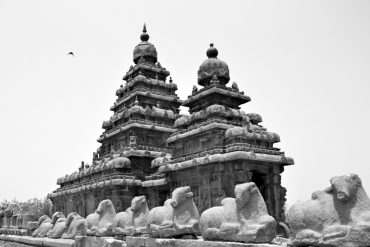
Marco Polo first mentioned the Shore temple in 1290. Modern archaeologists are yet to decipher its secrets.
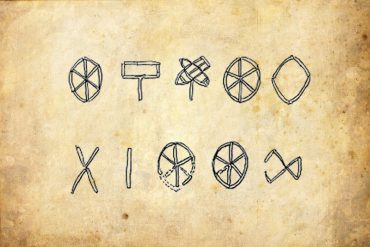
Some of the world’s best minds – human and robot – are at work, trying to decipher the Indus Valley code.
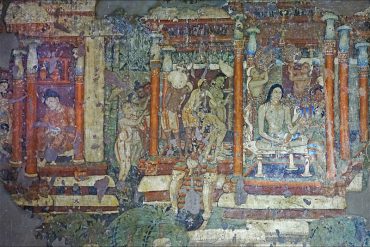
The murals in Ajanta caves represent the birth of the finest & oldest artistic traditions in India.
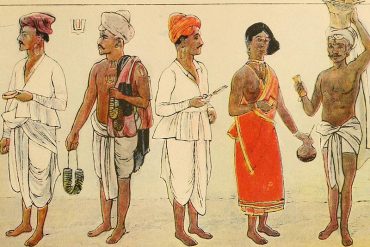
The Dhoti is both a fashion statement and a political symbol that stood the test of time.