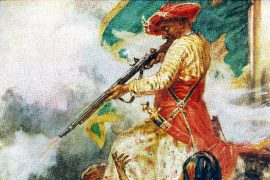
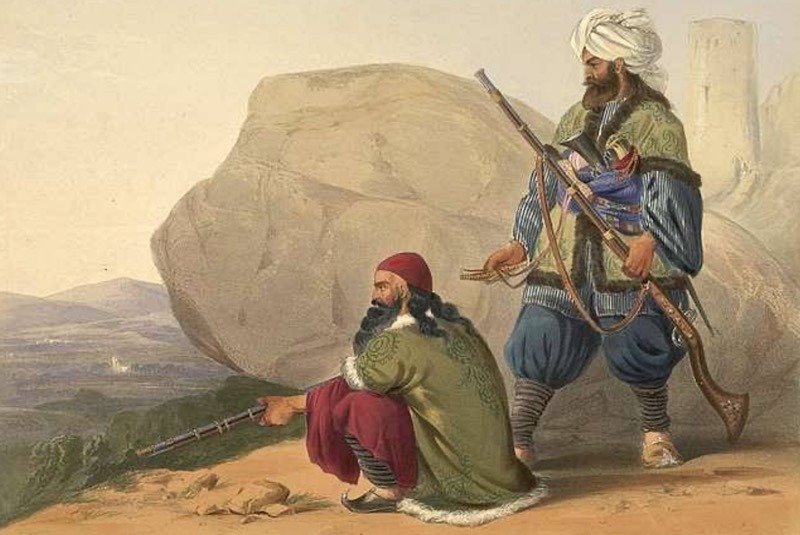
In the shadow of empires, the legions of Indian foot soldiers who fought in the First and Second World Wars were left unacknowledged, their sacrifices obscured by the grand narratives of colonialism and empire. Their trauma, an erasure of history so profound it became almost a phantom, finds a poignant reflection in the literature of post-colonial writers such as Salman Rushdie and Michael Ondaatje.
The war, as it unfolded across the world, was not merely a military conflict but a collision of histories, identities, and stories. This was no less true for the South Asian experience, a realm where colonial forces mingled with the scars of caste, religion, and identity, creating a complex backdrop for the upheavals that followed. And so, it is in the works of these authors that we see a re-territorialisation of these erased histories—a re-imagination of the trauma and silence that was felt by those left at the margins of history.
Copyright©Madras Courier, All Rights Reserved. You may share using our article tools. Please don't cut articles from madrascourier.com and redistribute by email, post to the web, mobile phone or social media.Please send in your feed back and comments to [email protected]