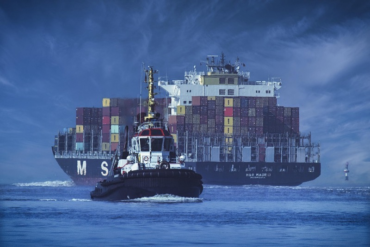
How America’s War On Iran Is Reshaping The Global Oil Trade
The conflict in the Gulf is creating unexpected winners in the global oil market.

The conflict in the Gulf is creating unexpected winners in the global oil market.
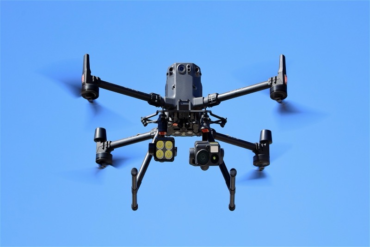
When decisions move at machine speed, ethical considerations struggle to keep pace. Human oversight becomes a formality.
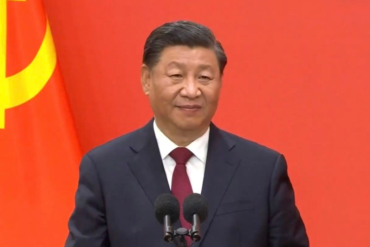
While missiles fall in the Middle East, the long game of geopolitics continues to benefit China.
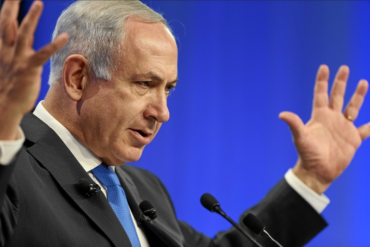
The normalisation of the rhetoric of extermination is not confined to one country, ideology, or faith. Leaders are calling for entire populations to be eliminated.
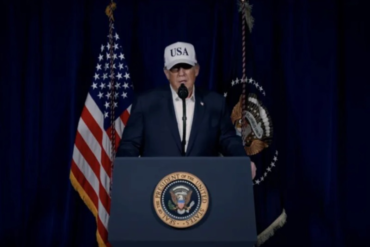
It is clear that the United States is being run by a bunch of reckless cowboys and blood thirsty war criminals.
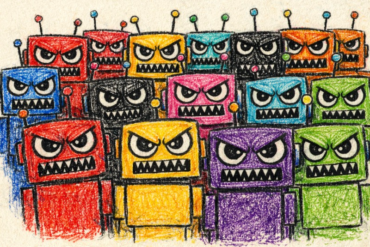
Bots are influencing public opinion at an unprecedented scale. Will they end up creating a government of the bots, by the bots and for the bots?
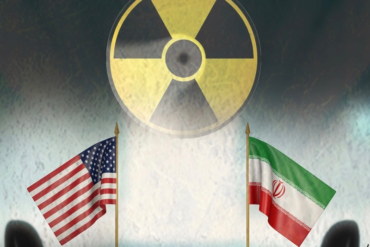
Even if U.S.—Iran nuclear talks end without a deal, they may provide a critical space for de-escalation and, perhaps, a chance to avoid a full-blown regional conflict.
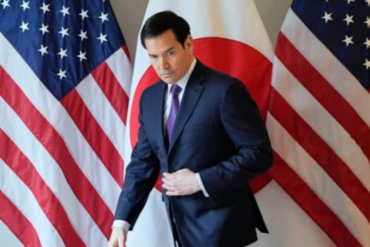
The world must recognise that their future lies not in submitting to American interest. Instead, they must have the courage to confront American imperialism disguised as ‘friendship.’
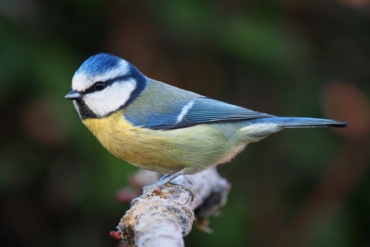
Birds’ reliance on smell, once dismissed, is emerging as vital for survival, from foraging to navigation and mating.
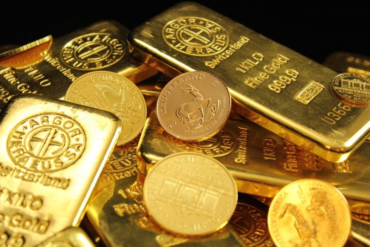
Gold and silver have endured as money for millennia, hedging inflation, anchoring empires, and shaping India’s financial imagination.

As AI agents evolve unchecked, they pose new unconventional challenges for human society.
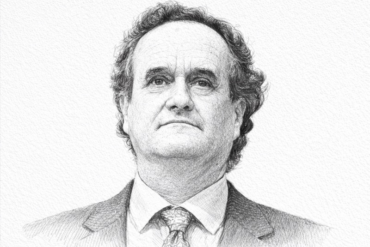
Mark Tully remains less a chronicler of history and more its living echo, a reminder that journalism’s true power lies not only in witness but in the gift of listening.
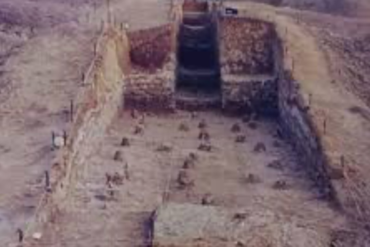
Stone tools from India are challenging long-held beliefs about human origins, migration, and where innovation truly began.
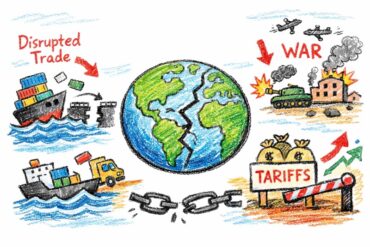
The lesson of history is not that globalisation must continually advance, but that it requires stewardship.
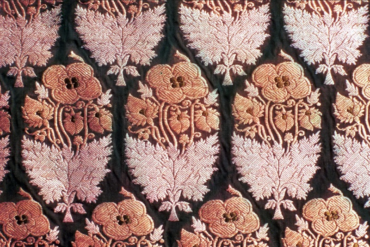
The Kimkhwāb emerged at the intersection of different traditions, borrowing from Chinese and Persian influences, but also incorporating indigenous Indian weaving techniques.