Van Gogh & The Commodification Of Suffering

Van-Gogh_Madras_courier
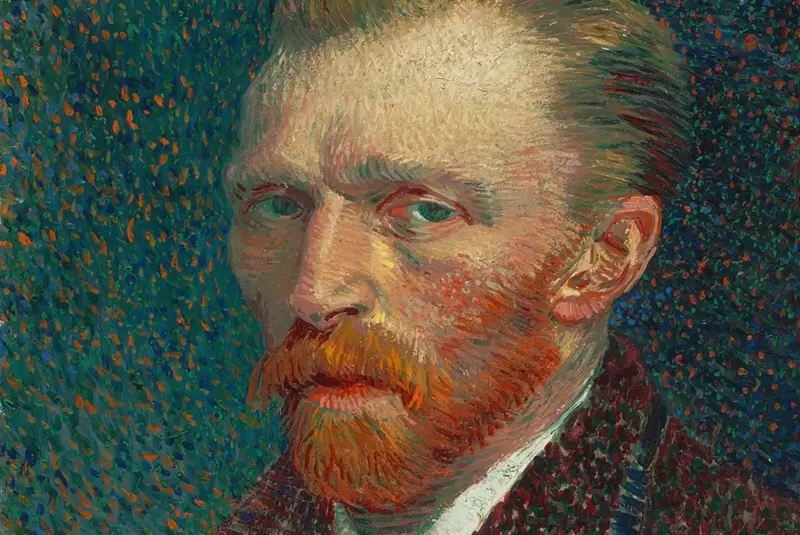
Representational image: public domain.
We must ask ourselves whether we are truly appreciating Van Gogh for his artistry, or whether we are merely exploiting his pain for our own consumption.

In an era where art is often consumed as a form of entertainment, an immersive exhibition of Van Gogh’s paintings has become the latest craze. The galleries, equipped with pulsating lights and resounding music, aim to transport visitors into the very world of Vincent Van Gogh, allowing them to experience his most famous works as if they were stepping inside them. Over 100 of these ‘immersive Van Gogh’ experiences have opened across the United States alone, drawing crowds eager to see his paintings in a new light. Yet, as the phenomenon grows, one can’t help but wonder: would Van Gogh, had he lived to see his legacy in such an extravagant commercial light, have been flabbergasted by the sheer scale of his posthumous fame?

In his lifetime, Van Gogh was far from the artistic titan he would later become. He struggled financially and emotionally; the art world largely overlooked his paintings. The notoriety he now enjoys — not just for his distinctive brushstrokes and vibrant colours, but for the tragic narrative that surrounded his life — was a posthumous gift. In fact, it was only after his death that Van Gogh became entrenched in the popular consciousness as a misunderstood genius, a label that gained further prominence following the 2018 release of At Eternity’s Gate, a film that dramatised the final years of his life. In the wake of the film’s success, an intense fascination with the artist’s suffering emerged. His story — the psychotic episodes, the ear, the madness that overshadowed his existence — became central to how the world viewed him.

There is an undeniable allure in Van Gogh’s pain. His letters, full of anguish and hope, and his self-portraits, painted during his moments of inner torment, seem to speak to something deep within the human experience. They echo suffering that many feel but struggle to express. In the years since the film’s release, Van Gogh has become more than just an artist; he has become a symbol of the “tortured artist,” the archetype of creative genius born out of emotional turmoil. The question that lingers, however, is why? Why have people, en masse, embraced his work not just for its aesthetic value, but for the suffering woven into it?

The answer, perhaps, lies in the commodification of suffering. The popularity of Van Gogh’s work, both in art galleries and on a multitude of everyday products — from coffee mugs to wall art — points to a broader trend in contemporary culture: the consumption of pain. It is no longer enough to simply admire Van Gogh’s genius; now, his story of mental illness and personal strife has become part of the package. His pain has been repackaged and resold, stripped of the deep complexities of his life, and turned into a consumable commodity. In this new narrative, his torment becomes aesthetically pleasing, even desirable. This process is not limited to Van Gogh alone. Countless other artists, musicians, and performers have had their pain mythologised and commercialised, with their suffering distilled into a marketable persona. Van Gogh, in this sense, has become the epitome of ‘aesthetic pain’, a suffering that’s beautiful and tragic in equal measure, but one that is no longer allowed to be truly painful.

Yet, in the rush to glorify this tortured image, the reality of Van Gogh’s life — his fragile mental state, his failed relationships, his endless self-doubt — has been obscured by an overly simplistic narrative that suits modern sensibilities. It’s a narrative that reduces his complex identity to a single, easy-to-digest symbol of melancholic genius. One only needs to glance at the sheer number of Van Gogh-themed products that now adorn our homes to see this cultural shift. His image appears on T-shirts, coffee mugs, tote bags, even toilet seats, as though the artist’s struggle has become a background wallpaper for our lives. The irony, of course, is that Van Gogh’s paintings were rarely appreciated during his lifetime. He sold only a handful of works, and few recognised his genius. He died at the age of 37, penniless and virtually unknown, having spent much of his life in and out of mental hospitals.

The question remains: Why are we so obsessed with Van Gogh, and what does his life and work offer us that others do not? Is it the aesthetic beauty of his paintings, or something deeper, a resonance with his struggles? In many ways, the answer lies in the rise of social media and the influencers that have come to dominate modern culture. On platforms like Instagram and TikTok, influencers often present an image of perpetual happiness and success, the perfect lives they lead, seemingly unfazed by the complexities and difficulties that shape the lives of most people. For many viewers, the contrast between these polished, filtered images and their own lived experiences can be alienating. The endless stream of material possessions, travel, and perfect smiles may leave viewers feeling inadequate or disconnected, unable to reconcile their own struggles with the curated perfection they see online.

Enter Van Gogh, who presents a different message: that pain, sadness, and mental illness are part of the human condition, and that these emotions don’t need to be suppressed or hidden behind a veneer of happiness. Van Gogh’s work — with its swirling skies, bold colours, and distorted figures — captures the raw, unvarnished reality of human suffering, not as something to be ashamed of or hidden, but as something that deserves to be seen, acknowledged, and understood. His paintings convey a sense of emotional honesty, offering a kind of solace to those who feel isolated or unheard. In a world increasingly obsessed with appearances, Van Gogh offers a refuge, a reminder that it is okay to be imperfect, to feel pain, and to be human.

Another layer to the growing obsession with Van Gogh lies in the long-standing stereotype of the ‘tortured artist’. For centuries, the myth of the artist as a creator born of suffering has been perpetuated, with figures like Van Gogh, Edvard Munch, and even Sylvia Plath becoming icons of this tragic, almost romanticised, figure. The notion that extreme emotional distress leads to great art is so ingrained in our cultural imagination that it has become almost a truism. Artists, it is often believed, must suffer for their craft. They must experience deep emotional or mental turmoil in order to produce works of lasting significance. This myth has allowed us to excuse, even romanticise, the self-destructive tendencies of some of our greatest creative minds.

Van Gogh himself, of course, was no stranger to suffering. His time in the south of France, living in the infamous Yellow House with fellow artist Paul Gauguin, was marked by violent outbursts and periods of deep despair. One night, after a particularly heated argument with Gauguin, Van Gogh cut off part of his own ear. Later, in May 1889, he checked himself into the Saint-Paul-de-Mausole asylum in Saint-Rémy-de-Provence, where he would spend a year painting the surrounding landscape and the hospital’s gardens. The work he produced during this time — including his famous Irises and Starry Night — was some of his most vibrant and innovative. Yet these paintings, born from intense personal turmoil, now seem like the culmination of the myth of the ‘tortured artist’. It’s this tragic backstory that has fed into Van Gogh’s allure, turning his paintings into a kind of visual shorthand for pain and mental illness.

But there is a danger in this narrative, one that is often overlooked. By turning Van Gogh’s suffering into an aesthetic, we risk trivialising the very real anguish that plagued him. His struggles with mental illness, his isolation, and his sense of rejection by the art world are often reduced to a marketable image of tragic beauty, one that makes his pain palatable and even desirable. The commodification of his suffering sets a dangerous precedent, suggesting that pain is something to be consumed, dissected, and celebrated without ever addressing the deeper issues of mental health that underlie it.

In many ways, the rise of Van Gogh as a commercialised icon reflects our society’s growing obsession with aesthetics over substance. His work, once a reflection of the raw emotions and struggles that defined his life, has now become a product to be marketed and sold. The artist’s legacy, twisted into a symbol of ‘aesthetic pain’, risks overshadowing the deeper, more complex truths that his work and life had to offer. By reducing Van Gogh to a consumable image of suffering, we ignore the lessons that his work might teach us about the human condition, about the value of art, and about the true nature of mental health.

Ultimately, we must ask ourselves whether we are truly appreciating Van Gogh for his artistry, or whether we are merely exploiting his pain for our own consumption. In a world that increasingly seeks to commodify even the most intimate aspects of the human experience, it is worth remembering that true appreciation of art requires more than just the glossy surface. It requires an understanding of the deeper emotions and stories that lie beneath.

-30-

Copyright©Madras Courier, All Rights Reserved. You may share using our article tools. Please don't cut articles from madrascourier.com and redistribute by email, post to the web, mobile phone or social media.
Please send in your feed back and comments to [email protected]
0 replies on “Van Gogh & The Commodification Of Suffering”