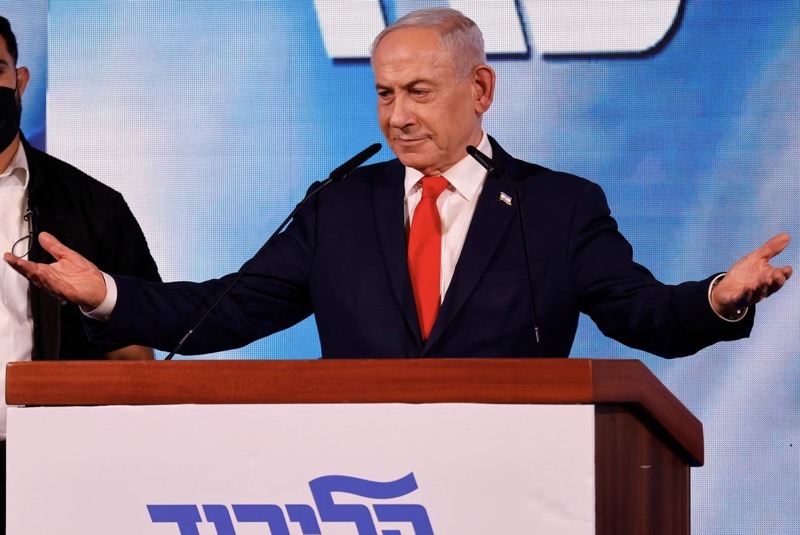
Benjamin Netanyahu went into election day carrying the weight of October 7, 2023, the deadliest day in Israel’s history. He faced public anger over the Hamas-led attack, frustration with his government’s security failures, and resentment over his efforts to curb judicial power and shield ultra-Orthodox men from military service. For months, his opponents had led in the polls. They expected to turn that anger into a parliamentary majority. Instead, Netanyahu’s Likud party outperformed every other party, leaving Israel’s political future uncertain and the Prime Minister still in office.
The result was not an outright victory. Neither Netanyahu nor his principal challenger, Gadi Eisenkot, a former military chief, had a clear path to forming a government. The opposition now faces an awkward choice. It could pursue a unity government with Netanyahu, potentially excluding some of his more extreme allies, or try to assemble a majority with the help of Arab parties. For many Jewish opposition leaders, the second option carried a political cost they had long been reluctant to pay.
Copyright©Madras Courier, All Rights Reserved. You may share using our article tools. Please don't cut articles from madrascourier.com and redistribute by email, post to the web, mobile phone or social media.Please send in your feed back and comments to editor@madrascourier.com