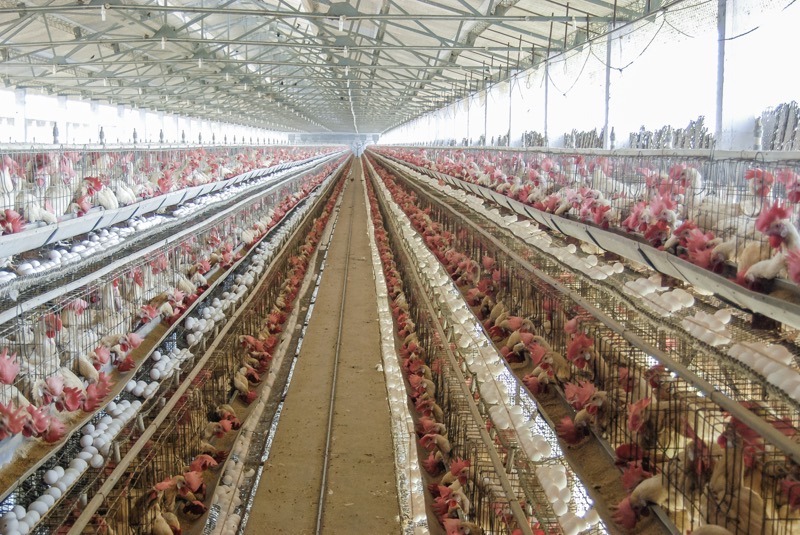
India is the world’s largest producer of milk. It accounts for nearly 5.65 per cent of global egg production and is among the top exporters of buffalo meat, poultry, and fish. In 2025–26, animal product exports contributed USD 6,236.79 million to India’s economy. Behind these impressive figures lie a few uncomfortable problems: what goes into food before it reaches the consumer, and do farm standards come close to the standards expected at the table?
The most immediate and documented threat to the safety of India’s animal food products is the misuse of antibiotics. When disease strikes farm animals, most smallholder farmers in India give an antibiotic without a veterinary prescription, often without knowing the correct drug or dose, and almost always without observing the withdrawal period. The withdrawal period is the mandatory gap—three to ten days, depending on the class of antibiotic used—during which milk, eggs, or meat from a treated animal must not be sold or consumed, because drug residues still present in the animal’s produce exceed safe limits. As a result, antibiotic residues enter the food supply routinely, invisibly, and at scale.
Copyright©Madras Courier, All Rights Reserved. You may share using our article tools. Please don't cut articles from madrascourier.com and redistribute by email, post to the web, mobile phone or social media.Please send in your feed back and comments to editor@madrascourier.com