
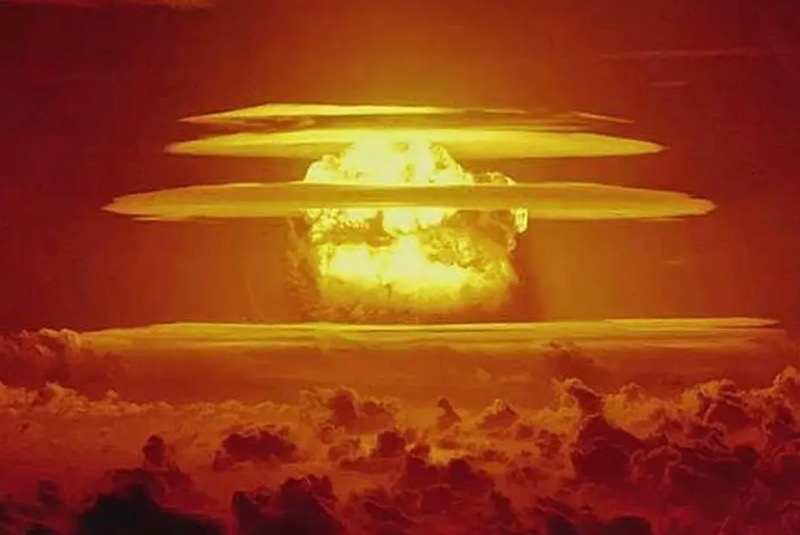
North Korea acquired nuclear weapons capability on 09 October 2006 when it conducted its first nuclear test. However, the United States (US) regards North Korea as a threat to its homeland, its interests, and its allies in East Asia. This threat perception is driven by North Korea’s continued advancement of its nuclear weapons and ballistic missile programme. A US defence official testified in April 2026 that North Korea’s expanding nuclear capabilities increasingly enable it to threaten the US mainland, while its missile arsenal can deliver either conventional or nuclear strikes against South Korea and Japan.
Although the nuclear arsenals of Russia and China are primarily oriented toward the US, North Korea is viewed through a different lens. Thus, this article discusses the following question: Why is it considered acceptable for some states to possess nuclear weapons, while their acquisition by others, often labelled “irresponsible or rogue states,” is regarded as a threat to international peace and security? North Korea is a prominent case in this debate, having ultimately succeeded in acquiring a nuclear weapons capability; nevertheless, its denuclearisation remains a subject of ongoing debate.
Copyright©Madras Courier, All Rights Reserved. You may share using our article tools. Please don't cut articles from madrascourier.com and redistribute by email, post to the web, mobile phone or social media.Please send in your feed back and comments to editor@madrascourier.com