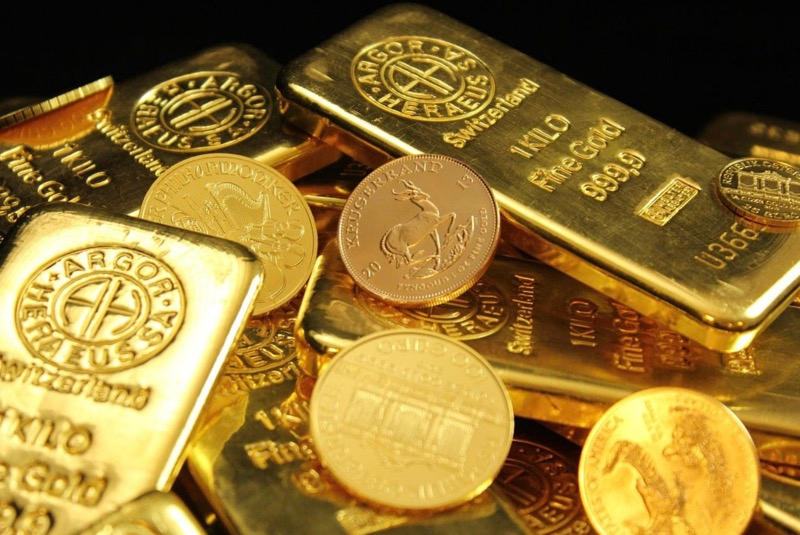
There is a peculiar endurance to gold. Civilisations have risen and fallen, empires have minted their own currencies and watched them decay, but the yellow metal has retained a monetary mystique that stretches back more than two millennia. Long before central banks calibrated interest rates or traders parsed inflation data, gold circulated as what the ancient Greeks called chrysos—a substance so rare, so incorruptible, that it seemed touched by the divine.
Silver, humbler but no less consequential, coursed through the arteries of daily commerce. Together, they formed the backbone of monetary systems from Rome to the Mughals, from imperial China to colonial America.
Gold’s survival as a currency for over two thousand years is not an accident of tradition but a function of physics. It does not rust or tarnish. It is easily divisible and yet scarce. Ancient Lydia, what is now Turkey, is widely credited with minting the first gold coins in the seventh century BCE.
Copyright©Madras Courier, All Rights Reserved. You may share using our article tools. Please don't cut articles from madrascourier.com and redistribute by email, post to the web, mobile phone or social media.Please send in your feed back and comments to editor@madrascourier.com