
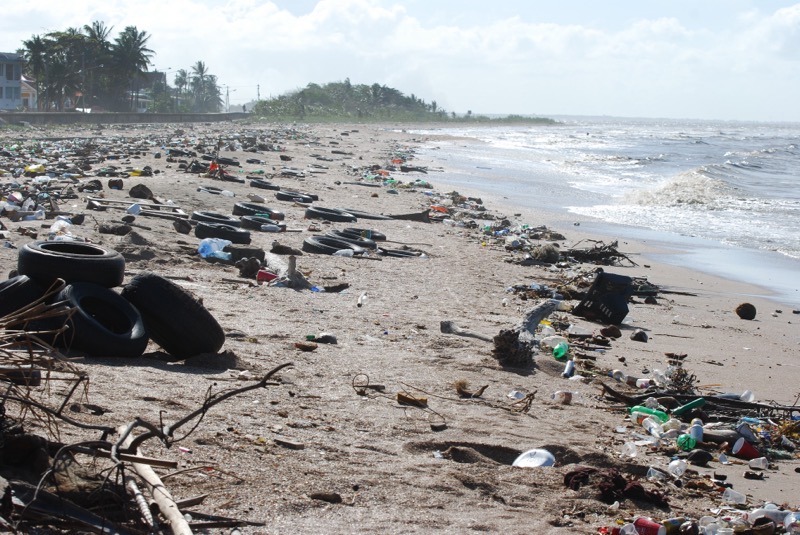
Tyres are a vital part of every car on the road. Yet, their degradation — the peeling off of their surface with each rotation — is a significant environmental problem that goes unnoticed. When a vehicle accelerates or slows down, the tyres shed infinitesimal bits of synthetic rubber. These bits break into microscopic pieces — microplastics — which then make their way into our ecosystems, unseen, almost imperceptibly.
This waste, often called tyre wear particles, is one of the more insidious forms of plastic pollution. It enters our waterways and, in turn, the food chain. The amount of tyre debris accumulating in our oceans, rivers, and streams is staggeringly high; a startling fact that often goes unexamined amid the general outcry over plastic bottles and bags.
Recent studies suggest that tyre wear contributes to nearly half of all microplastics in both terrestrial and aquatic systems. When it rains, water, aided by gravity, sweeps these tyre fragments into stormwater systems, which carry them directly to rivers, lakes, and oceans. Once in the water, these particles are quickly consumed. The effects of their ingestion are disastrous for aquatic life and ultimately reach the human food chain.
Fish, crabs, and other marine creatures mistake these tyre remnants for food. Over time, they ingest rubber and a cocktail of toxic chemicals that tyre manufacturers use to improve durability and performance. The chemicals, particularly 6PPD-Q, leach into the water.
This chemical, part of a class of additives used to prevent tires from cracking, has been linked to severe ecological damage. In the Pacific Northwest, studies have found that nearly half of returning coho salmon die prematurely after coming into contact with these particles.
The tragedy is compounded when we realise that these chemicals, which have devastating effects on fish populations, don’t remain confined to aquatic ecosystems. People, too, are exposed. A study in China found traces of 6PPD-Q in the urine of both children and adults, raising questions about the broader health implications.
The chemical has been linked to harm in various organs, including the liver, kidneys, and lungs, though the full extent of its impact on human health remains to be seen. What is clear, however, is that 6PPD-Q, like others associated with tyre wear, is not an isolated issue confined to far-off ecosystems. It is present, albeit invisibly, in the air we breathe and the water we drink. The scale of the problem is simply not widely recognised.
In the United States, tyre particles have been discovered in stormwater runoff in alarming quantities. In one experiment conducted in Oxford, Mississippi, researchers found over 30,000 tyre wear particles in just 24 litres of runoff water collected after two rainstorms. In areas with more intense traffic, the number could easily be higher.
This is not a localised issue. It’s a global one, fueled by an industry that, while essential, leaves behind a significant environmental footprint. In response, regulatory bodies have begun to take note. In 2023, the Interstate Technology and Regulatory Council recommended finding alternatives to 6PPD to mitigate the pollution it causes. However, tyre manufacturers argue that no adequate substitute exists yet.
As the tyres degrade and disperse, how can we stop this invisible tide of pollution from sweeping into our waterways? What can be done to halt the slow poisoning of our oceans and the animals that call them home?
For years, few solutions seemed viable. Now, there is growing hope that the answer might lie in nature itself. Researchers at the University of Mississippi have been testing sustainable filtration methods to remove tyre wear particles from stormwater before they can enter local water systems.
By harnessing the power of agricultural waste, they have developed a simple yet promising solution: using pine wood chips and biochar — a form of charcoal made by heating rice husks — to capture tyre particles.
The concept is straightforward: trap the particles before the rain can carry them away. During their research, they discovered that biochar and wood chips can filter out nearly ninety per cent of tyre wear particles from stormwater.
Biochar, with its vast surface area and porous structure, is particularly effective. It works by attracting and binding contaminants. In this case, it captures tyre particles — even the smallest fragments — and prevents them from entering the water.
Wood chips, which contain various organic compounds, have also shown significant potential. Together, these materials form a cheap and effective filter. When the two were used in combination, the researchers saw marked improvements in the quality of stormwater runoff.
The biofiltration system they developed is both low-cost and scalable. It works by placing biochar and wood chips inside a filter sock, which is then placed at the mouth of a drainage outlet. Over two months and two major rainstorms, the concentration of tyre wear particles dropped dramatically.
The jagged, elongated shape of tyre wear particles makes them prone to being trapped in the porous materials. As the stormwater passes through the filter, particles get snagged, rendering the water cleaner when it reaches the larger body of water.
While these results are encouraging, they are just the beginning. The true potential of this method lies in its scalability. Biochar and wood chips are abundant and inexpensive. They can be sourced from agricultural waste, a byproduct of industries that often go untapped. Not only could this approach help reduce pollution, but it could also support local economies by turning waste into something valuable.
The key to success, however, will be long-term monitoring, particularly in areas with heavy traffic, where tire wear is most pronounced. Additionally, concerns have been raised about whether raw agricultural waste could release harmful organic pollutants if not processed correctly. But even with these challenges, the approach is undeniably promising.
Like most environmental solutions, the filters will eventually need to be replaced. Over time, they degrade as they accumulate contaminants. This raises the question of disposal, and while using biofilters made from plant waste is environmentally friendly, it must be handled with care.
However, the potential of this method cannot be denied. What was once seen as an inescapable aspect of modern life—the degradation of tyres—may soon have a remedy. It’s an elegant, low-cost solution to a vast, complex problem that could change how we think about pollution in the age of plastic.
Rubber pollution has crept into every corner of our environment, poisoning the air, land, and water. Yet, there is hope. It might not come in the form of sweeping legislative reform or the sudden elimination of all plastic, but in small, clever solutions like this one. If the effectiveness of biofilters holds up, it could be a turning point in the battle against tyre wear pollution. The future, it seems, might be in the hands of something as simple and natural as wood chips.
-30-
Copyright©Madras Courier, All Rights Reserved. You may share using our article tools. Please don't cut articles from madrascourier.com and redistribute by email, post to the web, mobile phone or social media.Please send in your feed back and comments to [email protected]