
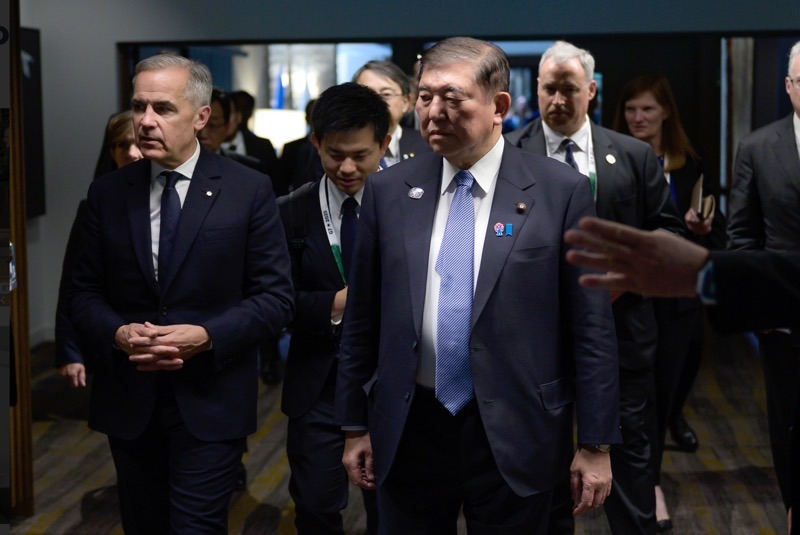
As the G7 Summit returned to Canada, it did so under growing scrutiny, amid significant shifts in the global order. Once a dominant force in international politics and economics, the G7—long critical of regional organisations like ASEAN for lacking unity and centrality—now finds these very traits under question within its own ranks. Much like ASEAN, the G7’s relevance hinges on internal cohesion. Without it, its influence in global affairs is rapidly diminishing.
In 1980, the G7 accounted for nearly 70 per cent of global GDP. By 2000, that figure had dropped to 40 per cent, and by 2024, it hovered around 25 per cent. This erosion of economic dominance has been compounded by a perceived dilution of the G7’s founding values: democratic pluralism, economic leadership, and meaningful development contributions.
Copyright©Madras Courier, All Rights Reserved. You may share using our article tools. Please don't cut articles from madrascourier.com and redistribute by email, post to the web, mobile phone or social media.Please send in your feed back and comments to editor@madrascourier.com