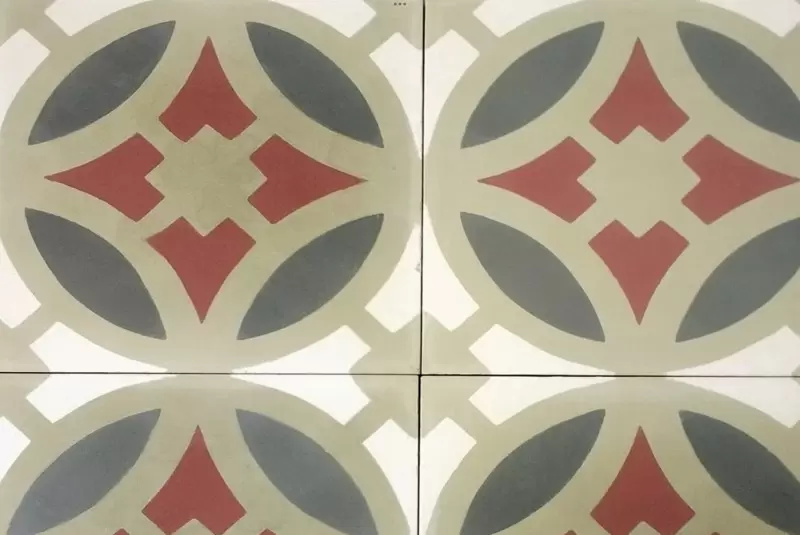
In the heart of Tamil Nadu’s Chettinad region, nestled within the serene village of Athangudi, a centuries-old tradition continues to thrive—one that blends history, art, and a global network of trade. Athangudi tiles, known for their striking colours, intricate patterns, and glossy finish, have become synonymous with Chettinad’s cultural and architectural identity.
These handcrafted tiles, made from natural clay, stand as a testament to the craftsmanship of local artisans. Beyond their aesthetic appeal, they also carry an economic significance, generating millions annually through global demand, particularly in southern India. However, what truly sets these tiles apart is not just their local appeal but their fascinating history, deeply intertwined with international trade and the global relations that shaped them.
Copyright©Madras Courier, All Rights Reserved. You may share using our article tools. Please don't cut articles from madrascourier.com and redistribute by email, post to the web, mobile phone or social media.Please send in your feed back and comments to editor@madrascourier.com