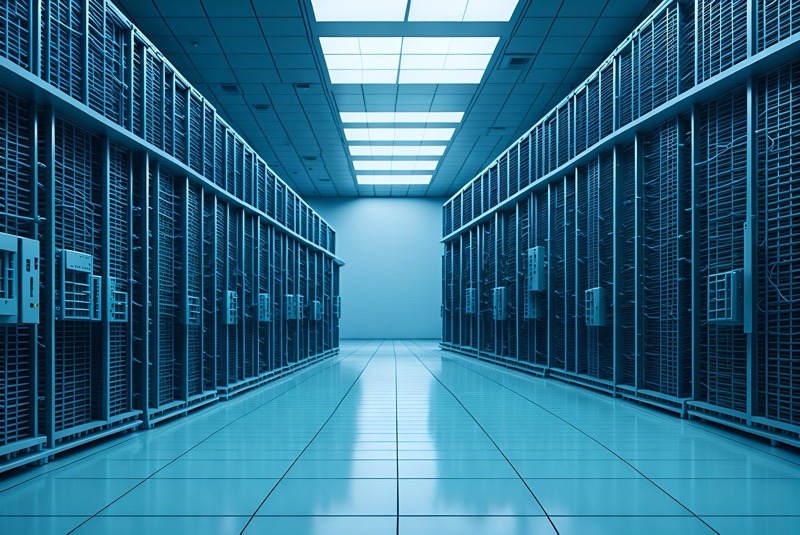
On a humid June night in 2026, the residents of Southaven, Mississippi, counted the seconds between vibrations. More than fifty unpermitted methane gas turbines whirred beside their predominantly Black, low-income neighbourhood, powering Elon Musk’s “Colossus 2,” the xAI supercomputer complex running Grok across the state line in Memphis. Within weeks, thousands of neighbours filed a nuisance lawsuit, while the NAACP pursued a separate Clean Air Act case. Residents reported sleepless nights, tinnitus, and near-constant jet-engine-like noise. It unravelled how a trillion-dollar race to build artificial intelligence is colliding with a neighbourhood whose residents have no seats at the table of American capitalism.
Across Virginia, New Jersey, Arizona, Santiago, and Montevideo, the episode belongs to an infrastructure boom of unusual scale. Server-farm investment exceeds the military expenditure of many nations, even as industry titans acknowledge the wager’s uncertainty—IBM’s Arvind Krishna questions whether the committed trillions can earn adequate returns, while OpenAI’s Sam Altman concedes the AI boom bears the hallmarks of a bubble.
Copyright©Madras Courier, All Rights Reserved. You may share using our article tools. Please don't cut articles from madrascourier.com and redistribute by email, post to the web, mobile phone or social media.Please send in your feed back and comments to editor@madrascourier.com