
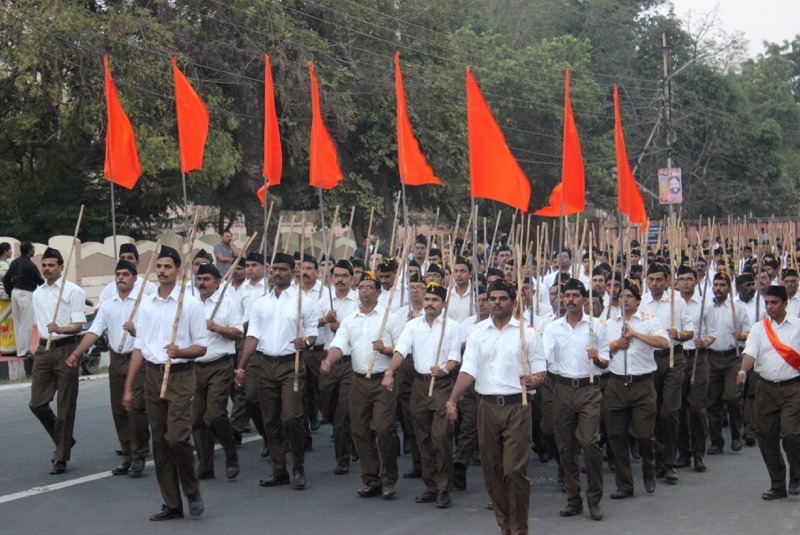
The Rashtriya Swayamsevak Sangh (RSS), a Hindu nationalist organisation founded in 1925, recently marked its centenary. In recent decades, it grabbed power and moved into the centre stage, becoming a dominant force in Indian politics, primarily through its affiliations with the Bharatiya Janata Party (BJP), which has governed India for much of the last two decades.
The BJP’s close ties to the RSS have been a source of both power and controversy, particularly as the BJP has celebrated key figures in the RSS’s ideological pantheon. Among these figures are men whose legacy is entwined with an extremist, perverted version of Hindu nationalism that stands in stark contrast to the democratic values enshrined in the Indian Constitution.
Copyright©Madras Courier, All Rights Reserved. You may share using our article tools. Please don't cut articles from madrascourier.com and redistribute by email, post to the web, mobile phone or social media.Please send in your feed back and comments to [email protected]