
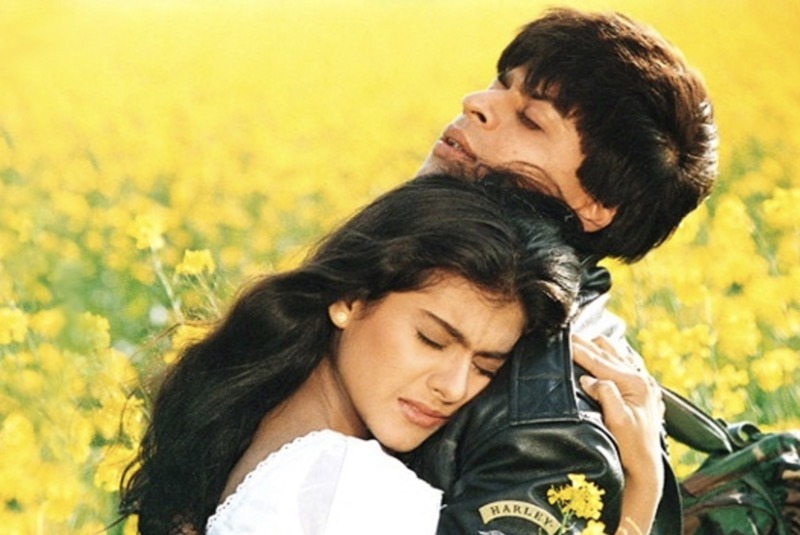
For generations, human beings have learned how to love from movies — not from observing healthy relationships around us, not from communication, emotional maturity, or patience. In doing so, we subliminally process the lie that love — one of the most complex emotional experiences — is a phenomenon where two strangers lock eyes for seven seconds and arrive at eternal devotion by the end of a two-hour runtime. Surprisingly, we did not seem to stop and ask if this was a catastrophic curriculum.
Cinema, for all its beauty and emotional power, has become history’s greatest source of romantic misinformation. Through the decades, we have learnt that love is an explosive, dramatic, aesthetically pleasing act, accompanied by a swelling orchestra in the background.
Real life, unfortunately, suffers from terrible sound design. Nobody’s confession of love comes with violins playing in the background. Love is a constant negotiation between two imperfect individuals. Real heartbreak, unlike cinema, does not wait for flattering camera angles. Most arguments happen over unread messages, bad timing, or whose turn it was to wash the dishes, which tragically lacks cinematic grandeur.
One of the earliest lies cinema sold us was the fantasy of the meet-cute – the absurdly charming idea that destiny hides in accidental encounters. Two strangers bump into each other, and suddenly the universe begins drafting wedding invitations.
Films like When Harry Met Sally, Notting Hill and Before Sunrise convinced people — for generations — that profound connection could emerge from chance encounters. It seems beautiful until one remembers that in real life, bumping into strangers usually results in awkward apologies and a desire to leave the situation as quickly as possible. But somewhere deep within, cinema planted the absurd hope that destiny might be waiting in cafes.
Perhaps cinema’s most dangerous lesson, however, has been its relentless glorification of persistence. Romantic films have spent decades teaching people that refusal is merely a narrative obstacle rather than an answer. Take Dilwale Dulhania Le Jayenge and Raanjhanaa, where relentless pursuit is framed as proof of devotion, or countless Hollywood romances like Say Anything and The Notebook, in which the protagonist refuses to give up until the object of affection surrenders emotionally.
Moreover, we have subtly absorbed a troubling message: if someone rejects you, try harder. Keep texting. Show up unexpectedly. Deliver speeches. Interrupt weddings if necessary. In cinema, persistence wins hearts. The reality is different. Somewhere between fiction and reality, we forgot that respect can be far more romantic than insistence.
Then comes cinema’s favourite manipulation tactic: the grand gesture. Films taught us that love must always announce itself dramatically. Nobody says, “I value our relationship.” Instead, you must run through airports like Love Actually, stand outside someone’s house holding handwritten cue cards in the rain, chase moving trains, or confess your feelings under thunderclouds dramatic enough to deserve their own screenplay credit.
Then there is Say Anything, whose legendary boombox scene permanently convinced popular culture that showing up at someone’s home uninvited, with emotional desperation, was peak romance. Real love, unfortunately, is often disappointingly quiet. It is remembering someone’s coffee order, making soup when they are ill, or listening carefully when they speak about a difficult day. But cinema unconsciously conditioned us to value intensity over consistency, and, tragically, consistency has terrible box-office potential.
The problem grows darker when films repeatedly disguise obsession as passion. Consider The Notebook, Devdas or Kabir Singh, where obsession is framed as extraordinary devotion, or Titanic, where two people spend two days together before popular culture collectively decides theirs is one of the greatest love stories ever told. Most people have subscriptions that last longer than Jack and Rose’s relationship. But audiences absorbed a deeply flawed idea: emotional intensity equals emotional depth.
Cinema repeatedly taught generations that the more pain involved, the more authentic love becomes. Healthy love is rarely cinematic. Toxic love, on the other hand, hooks us emotionally. It is perhaps why so many modern relationships confuse anxiety with chemistry, emotional chaos with passion, and suffering with proof of affection.
Then, there are gender roles, another gift cinema generously inflicted upon collective consciousness. For decades, films taught men that love must be performed. Be confident. Be assertive. Take charge. Never appear emotionally vulnerable. Masculinity became an endless theatrical exercise in competence. Meanwhile, women were taught to exist as recipients of desire. Be beautiful. Be mysterious. Wait patiently to be chosen.
From old Hollywood romances to mainstream contemporary cinema, love was structured around pursuit and reward, leaving generations to inherit scripts that feel outdated in real relationships. Modern dating feels awkward partly because people are still unconsciously performing roles written decades ago by screenwriters who had little understanding of actual intimacy.
Cinema also introduced humanity to the deeply destructive soulmate myth: the idea that somewhere among billions of people exists one singular perfect person designed specifically for us. Films like Serendipity, Sleepless in Seattle, and The Adjustment Bureau built narratives around cosmic inevitability, reinforcing the seductive fantasy that love should feel destined rather than nurtured through effort.
Bollywood, unsurprisingly, embraced the soulmate fantasy with religious intensity. In Veer-Zaara, love transcends geography, politics, time, imprisonment, and decades of separation, reinforcing the intoxicating idea that true love survives everything. The consequence is devastating. People abandon perfectly healthy relationships the moment imperfection appears because they have been conditioned to believe love should feel magical at all times. Instead of asking whether two people can grow together, they ask whether this person feels like destiny. Compatibility, sadly, lacks the seductive appeal of fate.
Modern life has only intensified cinema’s influence. Social media has transformed ordinary relationships into curated performances that resemble film montages more than human connection. People no longer date; they produce content. Anniversaries must look cinematic. Relationships require aesthetic coherence: sunsets, vacations, matching outfits, soft lighting, carefully staged intimacy.
Love has become performance art. The tragedy is that people are now comparing their everyday relationships not merely to fictional films but to millions of carefully edited digital illusions. Reality has become unbearable because fantasy has become algorithmically accessible.
-30-
Copyright©Madras Courier, All Rights Reserved. You may share using our article tools. Please don't cut articles from madrascourier.com and redistribute by email, post to the web, mobile phone or social media.Please send in your feed back and comments to editor@madrascourier.com