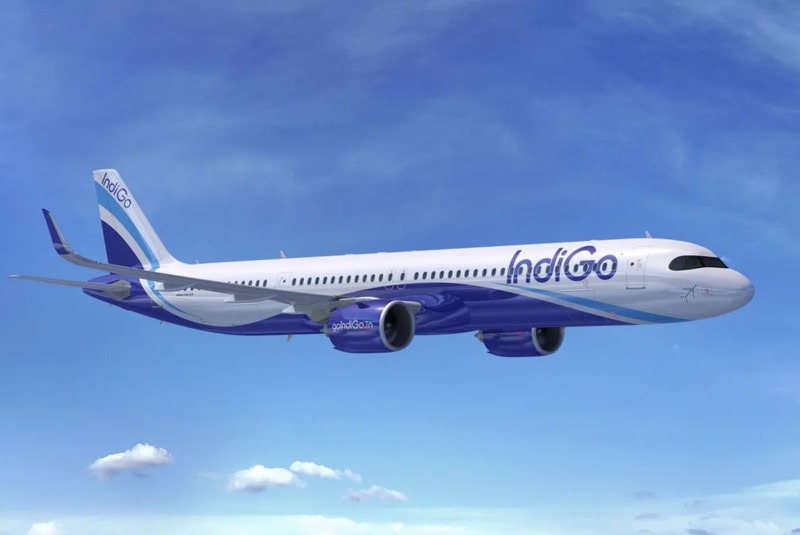
Tens of thousands of Indian travellers found themselves stranded—not because of a snowstorm, a terrorist threat, or a technical failure—but because one airline, IndiGo, the country’s largest, simply stopped flying. Flights from Delhi, Hyderabad, Mumbai, Bengaluru, and dozens of other cities vanished from airport boards. Families missed festive reunions. Business trips evaporated. Airports filled with chaos, confusion, clenched fists, and despair. The culprit: a failure not of weather but of planning — and of over-reliance on a single corporate entity for a vast tranche of national connectivity.
It wasn’t a crash, or a scandal, or a regulatory collapse. The crisis arose from the enforcement of newly updated safety regulations — rules on pilot rest time and night-flying limitations, issued by the regulator to reduce fatigue and increase flight safety. Airlines had roughly two years’ notice. Yet when the second phase kicked in November 2025, the largest player in the market — IndiGo — was caught flat-footed. Rather than hire more pilots or rework schedules, it apparently doubled down on a lean workforce and overbooked flight rosters. The result was predictable: a mass cancellation of flights. By early December, more than 2,000 flights had been scrubbed.
Copyright©Madras Courier, All Rights Reserved. You may share using our article tools. Please don't cut articles from madrascourier.com and redistribute by email, post to the web, mobile phone or social media.Please send in your feed back and comments to [email protected]