In January, President Donald Trump stood at the White House briefing room podium and said: Iran cannot have nuclear weapons—no ifs, ands, or buts. “Time is running out,” he tweeted, urging Tehran to come to the table or face consequences even “far worse” than the strikes of the previous year that had obliterated Iranian nuclear facilities. The imagery—*“massive armada”—was a warning from a leader who unilaterally pulled the United States out of the 2015 international nuclear deal.
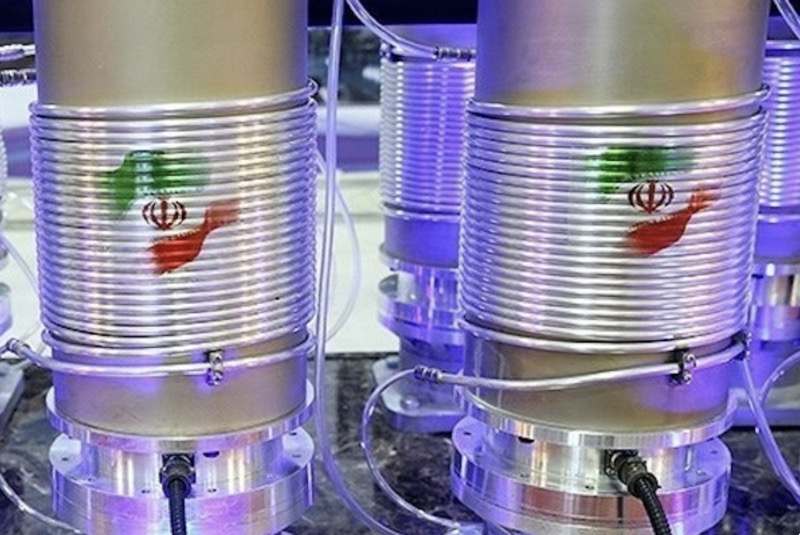
In reality, Iran’s pursuit of nuclear weapons remains contested: U.S. intelligence officials repeatedly concluded that Tehran had not made the political decision to build a bomb; the Supreme Leader Ayatollah Ali Khamenei, they said, had not re-authorised a weapons program that had been formally suspended in 2003. However, highly enriched uranium existed in Iran’s stockpiles at unprecedented levels; whether that constituted a weapons program was a matter of interpretation—scientifically and politically.
Copyright©Madras Courier, All Rights Reserved. You may share using our article tools. Please don't cut articles from madrascourier.com and redistribute by email, post to the web, mobile phone or social media.Please send in your feed back and comments to [email protected]