
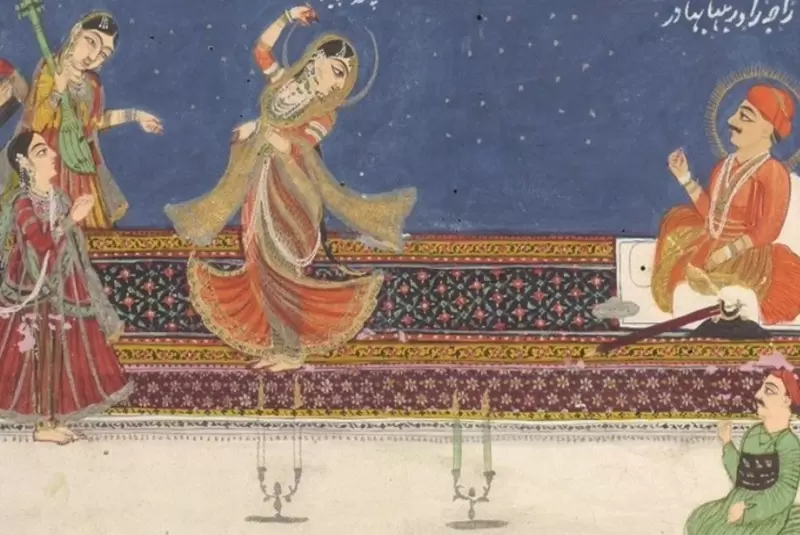
Centuries ago, in the royal courts and grand mansions of India, women adorned in flowing silks and radiant jewels captivated audiences with their graceful dances, haunting melodies, and poetic recitations. These women, known as tawaifs, were not merely entertainers; they were revered artists who were distinguished in the cultural fabric of the Mughal Empire and beyond.
The term tawaif is derived from the Arabic word tauf, which means ‘to go round and round.’ Initially used to refer to a group of skilled musicians, the term was later ascribed to a unique class of women who were not only gifted dancers and singers but also poets, intellectuals, and cultural icons. These women were celebrated for their talents and mastery of the arts, earning respect and admiration, not ridicule, from the noble classes.
Copyright©Madras Courier, All Rights Reserved. You may share using our article tools. Please don't cut articles from madrascourier.com and redistribute by email, post to the web, mobile phone or social media.Please send in your feed back and comments to [email protected]