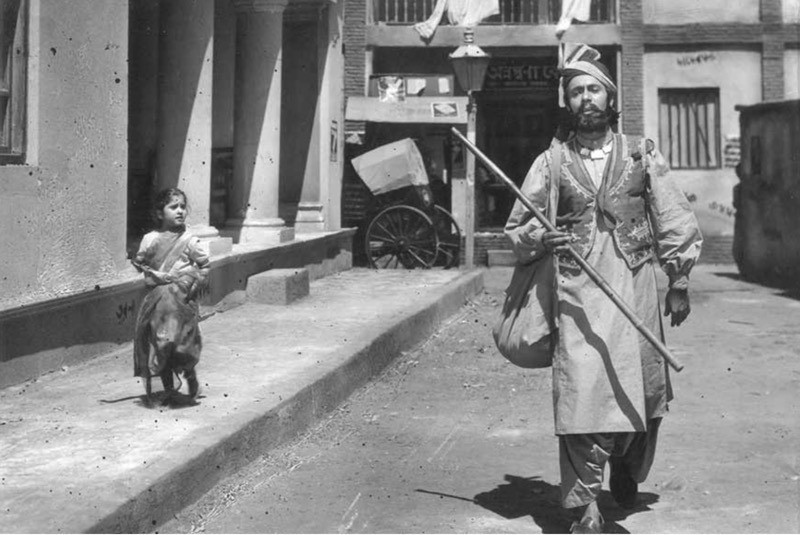
Rabindranath Tagore’s short story “Kabuliwala,” written in 1892, presents a poignant and heart-wrenching portrayal of the bond between a Kabul-born merchant and a young Kolkata girl, Mini. The etymological roots of the term “Kabuliwala” lie in the ethnic heritage of the immigrants themselves—Pathans from Kabul—who made their way to India, particularly Kolkata, driven by the opportunities offered by colonial commerce.
Tagore’s story, steeped in the complexities of human connection, invites us to picture these tall, burly figures wandering the crowded streets of Kolkata, peddling their wares of cashews, pistachios, and walnuts. But behind the simple act of selling dry fruits was a deeper story of migration, alienation, and, most importantly, identity.
Copyright©Madras Courier, All Rights Reserved. You may share using our article tools. Please don't cut articles from madrascourier.com and redistribute by email, post to the web, mobile phone or social media.Please send in your feed back and comments to [email protected]