
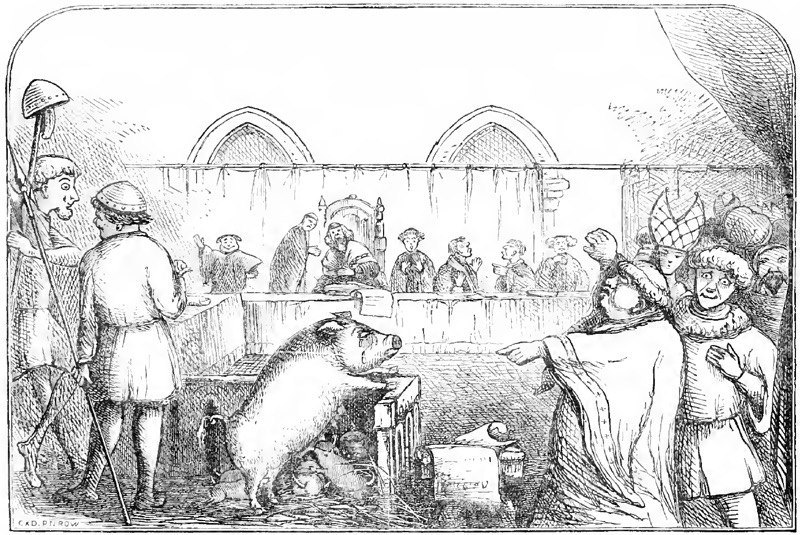
On September 5, 1379, in a quiet, cloistered French monastery, something extraordinary—and rather absurd by today’s standards—occurred. Two herds of pigs, typically seen as humble creatures of the farm, suddenly became the focus of one of the most bizarre judicial proceedings of the medieval period.
The pigs grew agitated, trampled an unfortunate man named Perrinot Muet, and killed him. In an act that would seem more at home in a dark comedy than a courtroom drama, the animals were tried, found guilty of murder, and sentenced to death. This strange episode is not a singular anomaly in the history of justice; it is a manifestation of a broader, more common medieval practice: animals, like humans, were once tried, convicted, and punished under the law.
Copyright©Madras Courier, All Rights Reserved. You may share using our article tools. Please don't cut articles from madrascourier.com and redistribute by email, post to the web, mobile phone or social media.Please send in your feed back and comments to [email protected]