India’s history is often told through the lens of its regional identities, distinct cultures, and rich linguistic diversity. India’s states are carved along such lines, where language is not just a mode of communication but a defining feature of personal and collective identity. The country’s constitution recognises “official languages,” each a bearer of unique traditions, oral histories, and philosophies.
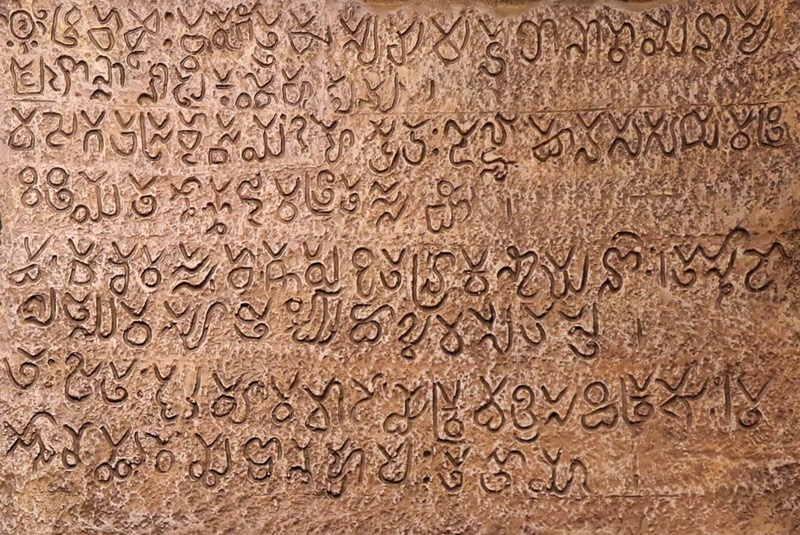
Among them is Telugu, a language that stands out not just because of its status as one of the oldest Dravidian tongues but also because of its extraordinary legacy. Spoken by millions, it is the third-most spoken language in India and the fifteenth in the world. Its roots trace back to the third millennium BCE, long before the world began to carve the land into the nations we recognise today.
Copyright©Madras Courier, All Rights Reserved. You may share using our article tools. Please don't cut articles from madrascourier.com and redistribute by email, post to the web, mobile phone or social media.Please send in your feed back and comments to [email protected]