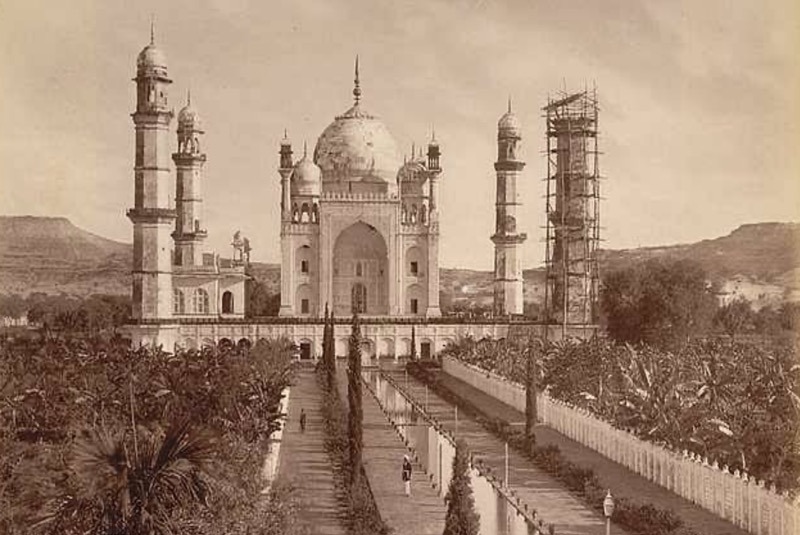
In the desolate stretch of the Deccan Plateau, amid the arid lands that once cradled the heart of the Mughal Empire, the city of Aurangabad stands as a stubborn echo of a dynasty’s contradictions. It is a city born of a ruler’s ambition, where the past, rich with palatial grandeur and meticulous artistry, collides with the quiet austerity of a reign determined to defy it. Here, in the midst of a parched landscape, lies the Bibi Ka Maqbara, a tomb that has, for centuries, been the silent witness to a story of love, loss, and the fraying edges of imperial opulence.
Aurangzeb, the last of the great Mughal emperors, ascended the throne on 31 July 1658. Unlike his predecessors, whose lavish patronage of art and architecture had given rise to monumental structures like the Taj Mahal, Aurangzeb’s rule was marked by a stark asceticism. His reign, characterised by puritanical views on governance and culture, contrasted sharply with the excesses of Shah Jahan and his other forebears, whose palaces and public works were defined by luxury and extravagance.
Copyright©Madras Courier, All Rights Reserved. You may share using our article tools. Please don't cut articles from madrascourier.com and redistribute by email, post to the web, mobile phone or social media.Please send in your feed back and comments to [email protected]