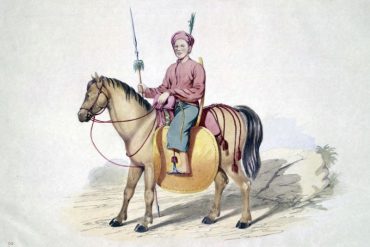
How Polo Was Discovered In Manipur
byThe game of polo has its roots in Manipur. Here’s the story of how it evolved.

The game of polo has its roots in Manipur. Here’s the story of how it evolved.
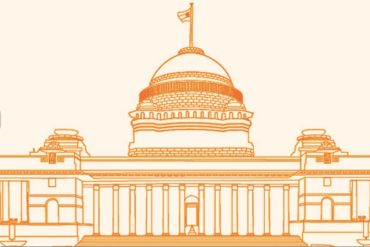
Rashtrapati Bhavan, a building that symbolised British Imperial dominion was transformed into the house of the world’s largest democracy.
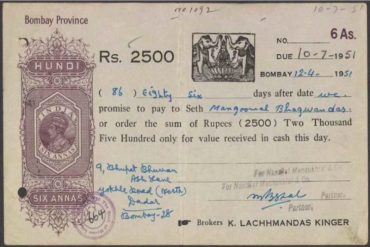
The use of notes issued by banks as currency is inextricably intertwined with India’s colonial history.
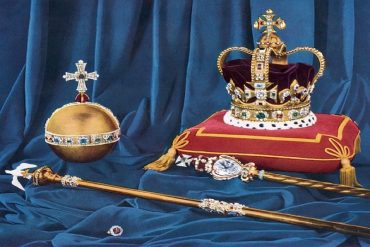
Charles III’s coronation ceremony reflects how monarchy still carries many vestiges of Britain’s imperial past.
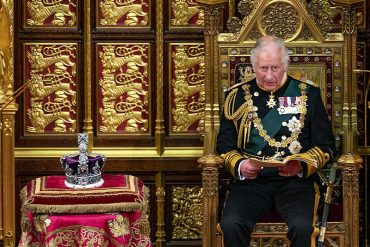
Are you related to King Charles III? Probably yes.
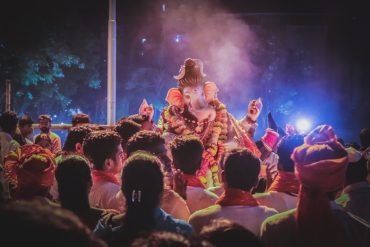
In 2017, a technology firm in India introduced a robotic arm to perform “aarti,” a ritual in which a devotee offers an oil lamp to the deity. What does this mean for the future of religion?

The colour yellow we use today is purely synthetic. But two centuries ago, humans exploited cows to produce the colour.
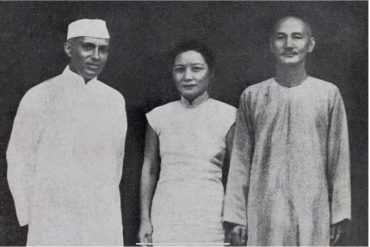
China’s expansionist activities across the border remain a persistent threat to India’s security.
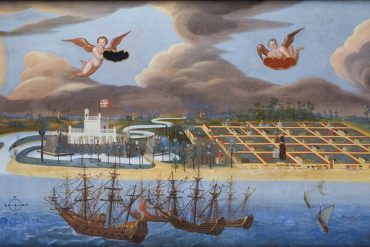
At Tranquebar or Tharangambadi, one can find traces of Danish history in India.
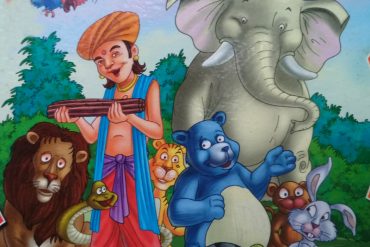
The evolution of Indian comics helps us understand how comics are a highly effective pedagogical tool in shaping a child’s mind.
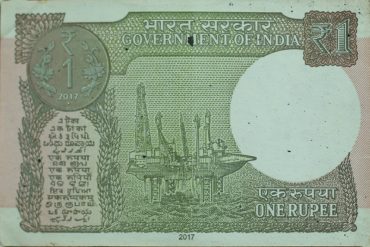
The changes in India’s coin & notes reflect the struggles of the Indian political & economic system.
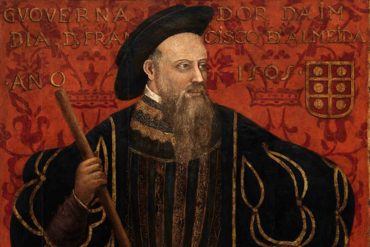
Francisco de Almeida believed that the power of the Portuguese must be restricted to the seas.
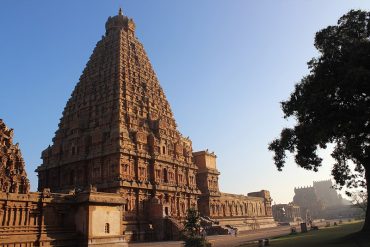
The Brihadishvara Temple tells the story of the King Raja Raja Chola I & his reign.
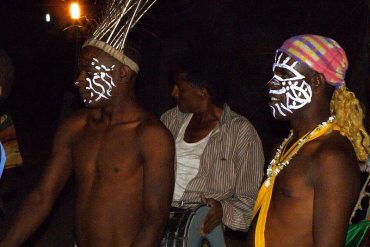
Dhamaal, a mix of Sufi and African (mostly East African) musical & dance traditions, refers particularly to the spiritual practices of the Siddis of Gujarat.
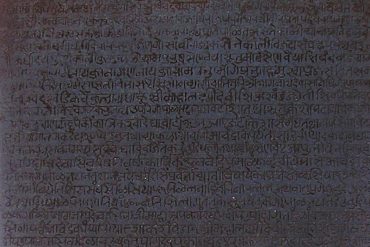
Konkani, a beautiful language, needs to be preserved. And that can happen only of there is a bottom-up movement from the people of the Konkan region.