
Pistols & Watches: Artefacts Of Anti-Colonial Resistance
byPistols and watches, objects once considered evidence of crime, help tell the story of revolutionary acts against colonialism.

Pistols and watches, objects once considered evidence of crime, help tell the story of revolutionary acts against colonialism.

Gold and silver have endured as money for millennia, hedging inflation, anchoring empires, and shaping India’s financial imagination.
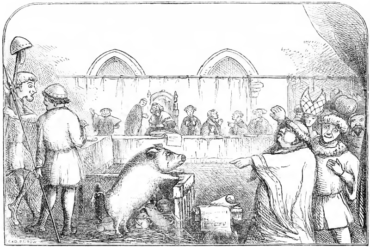
The bizarre nature of animal trials in the past provides a curious window into the history of our understanding of the law and its boundaries.
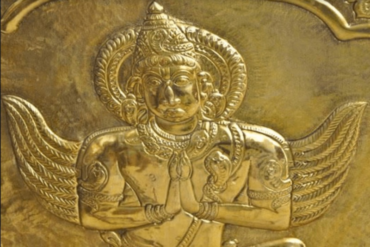
For centuries, Pembarthi metalwork here has carried the imprint of empires, faith, and survival. Today, it is women who are holding this fragile legacy together.
Stone tools from India are challenging long-held beliefs about human origins, migration, and where innovation truly began.
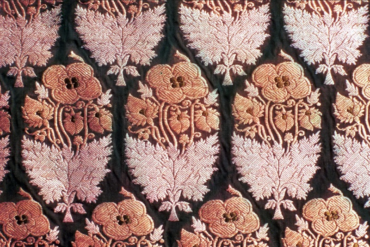
The Kimkhwāb emerged at the intersection of different traditions, borrowing from Chinese and Persian influences, but also incorporating indigenous Indian weaving techniques.

The Sassoon family story is not simply a tale of one man’s rise to power, but of a family that helped shape the modern world.
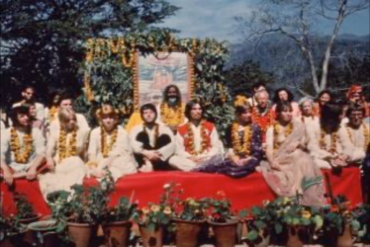
The Beatles did not find lasting peace in India, but they found something more enduring: a body of work that captured uncertainty without resolving it.
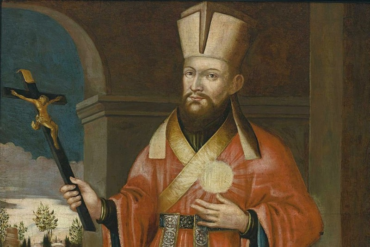
Andrius Rudamina, a forgotten Jesuit priest, reveals an unexpected historical connection between Lithuania and India, preserved within Goa’s largest cathedral.
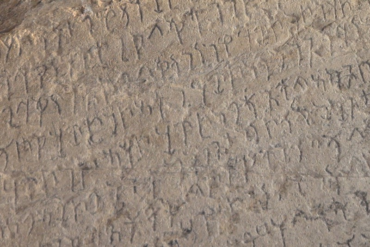
The Shahbazgarhi inscriptions remind us that the subcontinent’s history has always been shared, even when its futures were not.
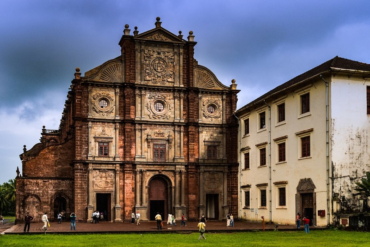
The Basilica of Bom Jesus is more than just a building; it is a physical manifestation of Goa’s history.
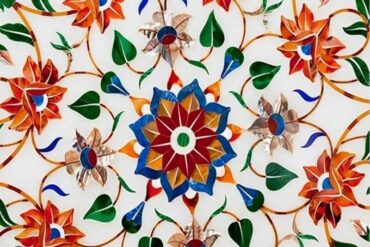
The legacy of Parchin Kari is not just in the monuments it adorned, but in the stories it tells. It is the language of stone and gemstone, a way of expressing devotion, beauty, and permanence.
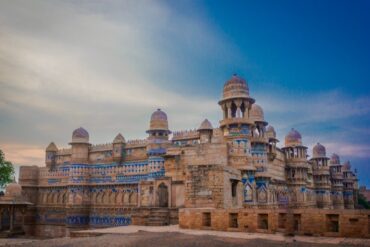
The Man Singh Palace, a testament to Raja Man Singh Tomar’s artistic and political vision, whispers stories of love, legacy, and survival.
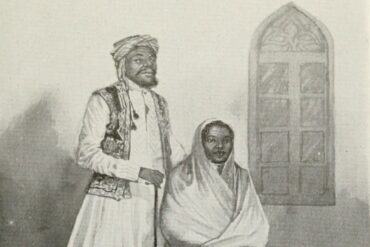
The Siddis, scattered across villages, cities, and political histories, remain emblematic of a relationship between South Asia and Africa

The story of the Roza Bal shrine & the Ahmadiyya Movement highlights the complex ways in which religious ideas evolve and intersect with political & social realities.