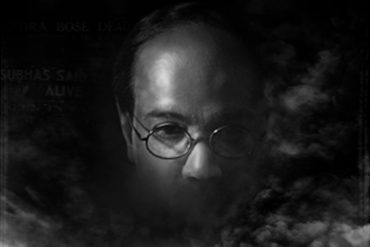
Gumnaami: Did Subhas Chandra Bose Die In A Plane Crash?
byGumnaami raises important questions about the death of one of India’s most controversial leaders – Subhas Chandra Bose.

Gumnaami raises important questions about the death of one of India’s most controversial leaders – Subhas Chandra Bose.

The corpus of literature published recently helps understand how caste manifests itself in a globalised world.
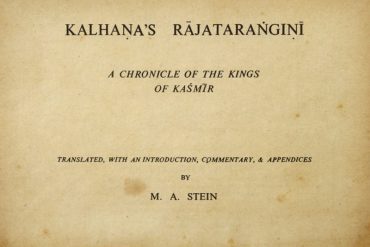
Does Kalhana’s Rajatarangini, the 12th-century chronicle of the kings of Kashmir, establish a glorious Hindu past?
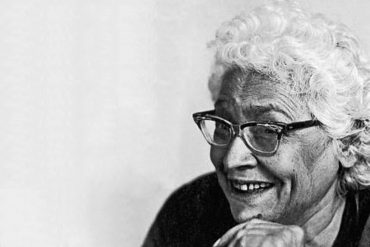
Ismat Chughthai’s words have travelled long. The ‘Uncivil woman’s’ poems, plays & films continue to provoke thought.
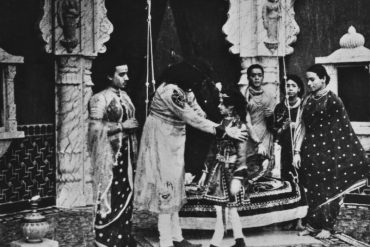
Indian cinema represents India’s cosmopolitan & plural mores. At the same time, it connects us to the wider world.
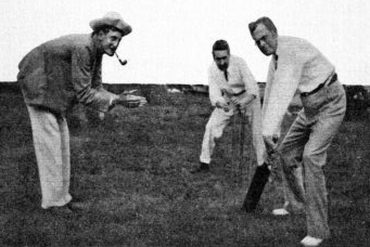
J M Barrie–the celebrated Scottish author, Peter Pan’s creator–founded an amateur cricket team called ‘Allahakbarries.’
Decades after its publication, The Discovery Of India, Nehru’s treatise on India, remains more relevant than ever.
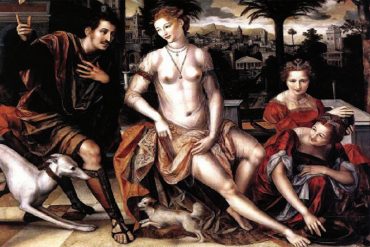
The Suleiman Charitra is a Sanskrit retelling of a Biblical tale by a Hindu poet for his Muslim Patron.
Sylvia Vetta’s book tells a fascinating love story that transcends the boundaries of race & religion.

Daniel Goleman’s book Emotional Intelligence is fascinating. Please don’t read it on a busy bus.
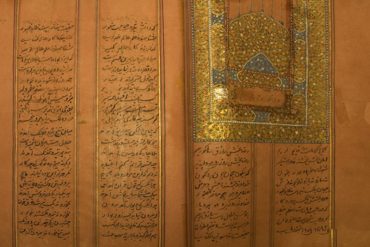
The Zafarnama, a letter sent by Guru Gobind Singh, rebukes Aurangzeb for breaking the oath sworn upon the Qur’an.

The history of film censorship in India — both official and unofficial— denotes a sense of casual arbitrariness.
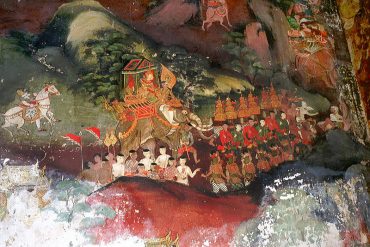
The story of Prince Vessantara -Buddha’s incarnation- is etched in popular culture; it advocates the values he espoused.
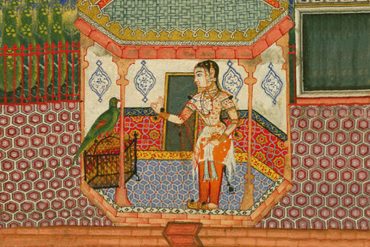
Tutinama, a Persian text originated from the Sanskrit work Śukasaptati. It reflects a syncretic literary tradition.
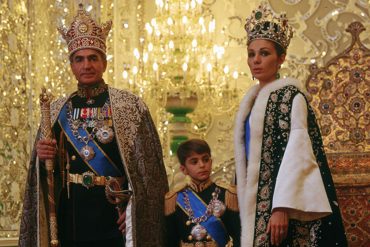
Hassan Amini’s film, woven with intricate details about the Shah of Iran’s party, is absorbing and compelling.