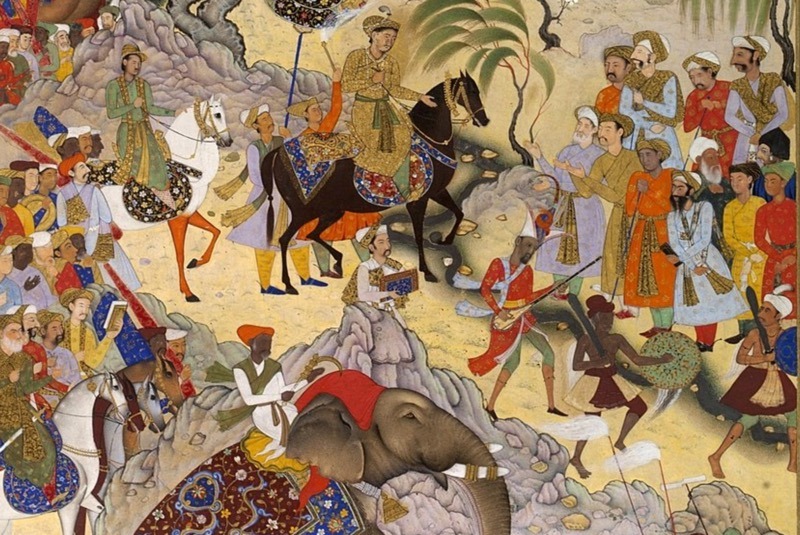
India’s school textbooks, often the first lens through which young minds are introduced to the past, have long been a battleground. While the importance of history in shaping national identity cannot be overstated, the ways in which that history is told have become increasingly contentious.
The National Council of Educational Research and Training (NCERT), the government body responsible for drafting these curricula, has found itself at the centre of an ideological storm in recent years. The latest revisions to history textbooks, particularly those addressing the period between the thirteenth and seventeenth centuries, have sparked a new wave of criticism. Some claim that the NCERT’s portrayal of this era veers dangerously towards a communal interpretation of history—one that casts Muslim rulers in an overwhelmingly negative light.
Copyright©Madras Courier, All Rights Reserved. You may share using our article tools. Please don't cut articles from madrascourier.com and redistribute by email, post to the web, mobile phone or social media.Please send in your feed back and comments to [email protected]