
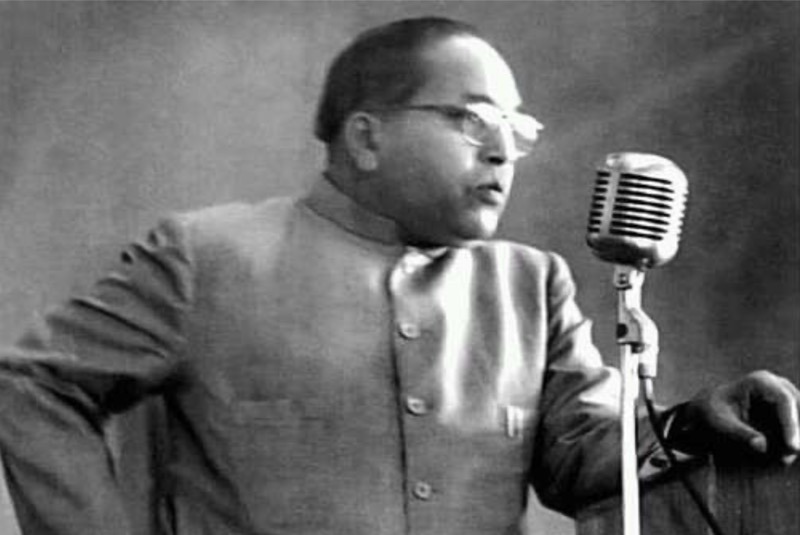
In his concluding speech to the Constituent Assembly, Dr. B.R. Ambedkar stated:
…On the social plane, we have in India a society based on the principle of graded inequality which means elevation for some and degradation for others. On the economic plane, we have a society in which there are some who have immense wealth as against many who live in abject poverty. On the 26th of January 1950, we are going to enter into a life of contradictions. In politics we will have equality and in social and economic life we will have inequality. In politics we will be recognizing the principle of one man one vote and one vote one value. In our social and economic life, we shall, by reason of our social and economic structure, continue to deny the principle of one man one value. How long shall we continue to live this life of contradictions?
These words, delivered at the close of the Constituent Assembly debates, remain a stark reminder of the contradictions at the heart of Indian society. While India adopted political equality through universal suffrage, social and economic inequalities—particularly those rooted in caste—remain deeply entrenched. A comprehensive democracy cannot be realized without confronting these caste-inflicted inequities.
Copyright©Madras Courier, All Rights Reserved. You may share using our article tools. Please don't cut articles from madrascourier.com and redistribute by email, post to the web, mobile phone or social media.Please send in your feed back and comments to [email protected]