
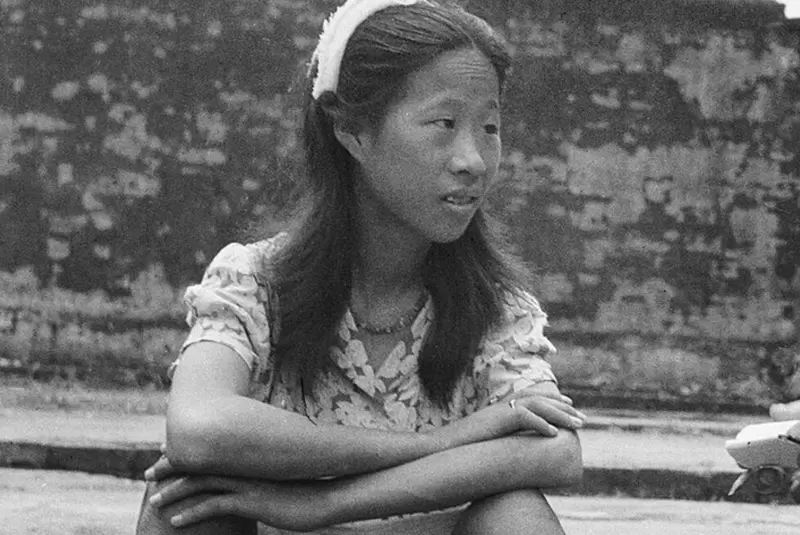
In the late summer of 1991, a woman named Kim Hak Sun stepped forward, unbidden, to cast light on one of the darkest corners of history. The sixty-five-year-old had spent decades in silence, keeping her memories locked away in a vault of shame and pain. But when the Japanese government, in an official statement, denied its involvement in the systematic sexual enslavement of women by the Imperial Army during World War II, Kim could no longer remain quiet.
With six other survivors of Japan’s so-called “comfort stations,” Kim sued the Japanese government, demanding recognition, justice, and, perhaps most crucially, a reckoning for the brutality inflicted on them as teenagers. Kim’s act of defiance would ignite an international reckoning, forcing Japan and the world to confront the consequences of a practice that had, for too long, been relegated to the shadows of history.
Copyright©Madras Courier, All Rights Reserved. You may share using our article tools. Please don't cut articles from madrascourier.com and redistribute by email, post to the web, mobile phone or social media.Please send in your feed back and comments to editor@madrascourier.com